For a long time, vegetarian protein conversations mostly revolved around the usual names — paneer, soy, lentils, tofu, beans, maybe whey for fitness enthusiasts. But lately, something quieter and honestly a little unexpected has started entering supermarkets, cafés, and even restaurant menus: mushroom-based protein foods.
At first glance, it sounds niche. Maybe even trendy in that “healthy urban startup” kind of way. But the demand is growing for reasons that go beyond social media hype.
People are changing how they think about food.
Consumers today are more curious about where protein comes from, how sustainable it is, how digestible it feels, and whether it fits into modern lifestyles without feeling overly processed. Mushroom-based protein products happen to check many of those boxes at once.
That’s one reason Mushroom-based protein foods vegetarian consumers ke liye new alternative kyun ban rahe hain? has become an increasingly relevant topic in the food industry.
And honestly, the shift feels bigger than just another passing health trend.
People Want Protein Without Heavy Processing
One interesting thing happening in the health-food space is that consumers are becoming skeptical of ultra-processed products.
Earlier plant-based protein products gained popularity quickly, but over time some people started questioning ingredient lists filled with stabilizers, artificial flavors, gums, and highly engineered textures. Consumers still wanted high protein — they just wanted it to feel a little more natural.
Mushroom-based proteins entered at exactly the right moment.
Many mushroom-derived protein foods feel simpler psychologically. Even when processing is involved, mushrooms still carry a “whole food” image in people’s minds. That perception matters a lot during buying decisions.
And unlike some traditional plant proteins, mushroom protein often has a more satisfying texture naturally, especially in meat-alternative products.
Texture Is a Bigger Deal Than People Admit
Let’s be honest. Many vegetarian protein products fail not because of nutrition, but because of texture.
Some soy products feel rubbery. Certain protein snacks taste chalky. Even tofu, despite its versatility, still struggles with acceptance among many mainstream consumers because people find it bland or unfamiliar.
Mushroom-based protein products often solve this problem better.
Certain fungi-based proteins create naturally fibrous textures that resemble meat more convincingly without excessive additives. Burgers, nuggets, sausages, and protein patties made from mushroom-derived ingredients tend to feel more substantial while staying relatively light on the stomach.
That balance is important.
Consumers want healthy food, but they also want comfort, familiarity, and satisfaction. Texture influences all three.
Sustainability Is Quietly Driving Interest Too
Another major reason mushroom proteins are gaining attention is sustainability.
Traditional livestock farming consumes enormous resources — land, water, feed, and energy. Even some plant-based crops require intensive agricultural systems. Mushroom cultivation, in comparison, can often be more resource-efficient depending on the production method.
Many younger consumers now actively consider environmental impact while choosing food products. They may not become fully vegetarian overnight, but they are trying to reduce meat consumption gradually.
Mushroom-based proteins fit nicely into this “flexitarian” lifestyle.
People don’t necessarily want strict dietary labels anymore. They simply want smarter alternatives that feel practical, ethical, and nutritionally useful without being extreme.
That mindset explains why Mushroom-based protein foods vegetarian consumers ke liye new alternative kyun ban rahe hain? is generating so much curiosity among health-conscious buyers and food startups alike.
Fitness Culture Is Expanding Beyond Traditional Supplements
Earlier protein conversations mainly belonged to gym-goers and athletes. Now protein awareness has gone mainstream.
Office workers, students, parents, older adults — everyone seems more conscious about protein intake than before. Social media fitness culture definitely accelerated this shift, but so did growing awareness around energy levels, muscle health, and balanced nutrition.
The interesting part is that not everyone wants protein powders anymore.
Many consumers prefer protein integrated directly into normal food:
- protein snacks
- high-protein breakfast meals
- plant-based ready-to-eat foods
- healthier comfort foods
Mushroom proteins are being used creatively across these categories because they blend nutrition with familiar eating experiences.
And unlike some heavier protein options, mushroom-based foods often feel easier to digest for many people.
Taste Is Improving Rapidly
One reason alternative proteins struggled earlier was simple: taste.
Consumers might buy a healthy product once out of curiosity, but they rarely continue if the flavor disappoints. Food companies learned this lesson quickly.
Now mushroom protein startups are investing heavily in culinary quality rather than just nutrition marketing. Chefs, food scientists, and flavor specialists are collaborating to make products genuinely enjoyable rather than merely “healthy.”
That change matters more than fancy packaging.
A good mushroom-based burger or protein snack doesn’t need consumers to sacrifice taste for ethics. It simply needs to taste good enough that people willingly buy it again.
And increasingly, many products actually do.
Asian Food Culture Helped Normalize Mushrooms
Interestingly, mushrooms already had strong cultural acceptance in many Asian cuisines long before they became trendy in global wellness culture.
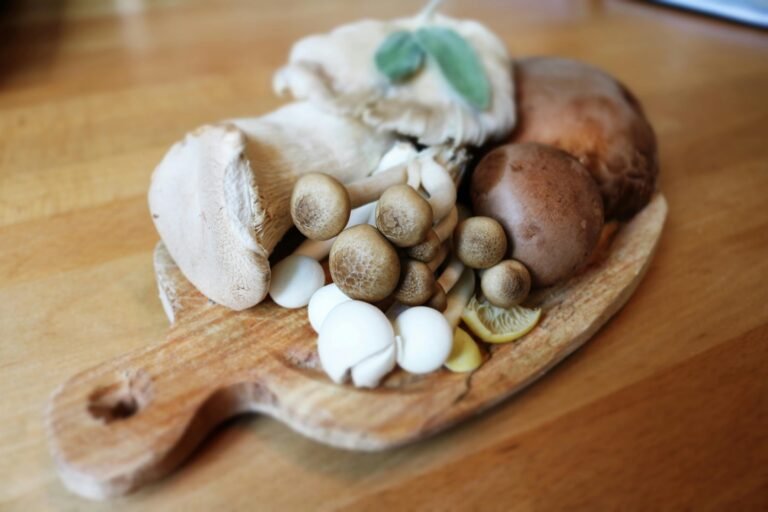
From shiitake and oyster mushrooms to enoki and button mushrooms, people across various cultures already understood mushrooms as flavorful, versatile ingredients rather than strange health foods.
This familiarity helped mushroom protein products enter markets more smoothly compared to completely unfamiliar alternatives.
Consumers feel more comfortable experimenting with foods connected to ingredients they already recognize.
That psychological comfort reduces hesitation significantly.
Challenges Still Exist
Of course, mushroom-based protein foods are not perfect.
Some products remain expensive compared to traditional vegetarian proteins. Availability is still limited in many smaller markets. And honestly, certain consumers still associate mushrooms mainly with side dishes rather than serious protein sources.
Education will take time.
There’s also the challenge of scaling production efficiently while maintaining flavor and nutritional quality.
But despite these hurdles, interest keeps growing steadily.
The Bigger Shift Is About Smarter Eating
At its core, the rise of mushroom-based proteins reflects a larger change in how people think about food.
Consumers are no longer choosing only between “healthy” and “tasty” or between “vegetarian” and “high-protein.” They want foods that combine multiple benefits naturally:
- better nutrition
- satisfying texture
- sustainability
- easier digestion
- familiar taste
- modern convenience
Mushroom-based proteins happen to sit right at the intersection of those expectations.
And honestly, that’s probably why they’re not fading away like many short-lived food trends.
They’re solving real lifestyle needs — quietly, steadily, and one surprisingly good mushroom burger at a time.