There’s something strange happening in modern travel culture. People are spending more money to disconnect.
Not long ago, luxury travel mostly meant crowded resorts, giant hotel buffets, infinity pools, and packed tourist attractions. But now many travelers seem tired of hyper-commercial vacations. They want quieter experiences, slower mornings, cleaner air, and places that don’t feel manufactured for Instagram every second.
That’s where rainforest eco-lodges entered the picture almost perfectly.
Hidden between dense forests, rivers, wildlife zones, and remote landscapes, these lodges offer something many travelers didn’t realize they were craving — stillness mixed with adventure.
And honestly, the appeal goes deeper than aesthetics.
That’s one major reason Rainforest eco-lodges sustainable tourism lovers ke beech popular kyun ho rahe hain? has become an increasingly relevant conversation in the tourism industry.
People are no longer traveling only to “see places.” Increasingly, they want to feel something while being there.
Travelers Are Tired of Overcrowded Tourism
Anyone who has visited a heavily commercial tourist destination recently probably understands the exhaustion.
Long queues. Endless traffic. Loud crowds. Overpriced experiences. Constant phone notifications. Sometimes vacations start feeling strangely stressful.
Rainforest eco-lodges offer the opposite atmosphere.
Instead of crowded city noise, travelers wake up to birds, rain sounds, flowing rivers, and actual darkness at night. There’s no pressure to rush through itineraries every hour. Time slows down naturally.
That slower pace is becoming deeply attractive in an always-online world.
People increasingly associate luxury with peace rather than excess.
Sustainability Is Becoming More Than a Trend
Eco-tourism used to sound like a niche concept mostly discussed by environmental enthusiasts. Now mainstream travelers are paying attention too.
Many people are becoming more conscious about how tourism affects local ecosystems, wildlife, and communities. Overdevelopment in popular tourist destinations has created visible environmental damage in many regions.
Rainforest eco-lodges often market themselves differently:
- solar energy usage
- local construction materials
- wildlife conservation support
- reduced plastic waste
- locally sourced food
- community employment programs
Of course, not every eco-lodge follows these principles perfectly. Some use “eco” mainly as branding. But genuinely sustainable properties are attracting loyal travelers who want vacations aligned with environmental values.
And honestly, many guests feel emotionally better supporting tourism models that seem less harmful to nature.
Nature Is Becoming a Luxury Experience
One fascinating cultural shift is that untouched nature itself has become premium.
In crowded urban lifestyles, simple experiences now feel rare:
- hearing rain without traffic noise
- walking through forests peacefully
- sleeping without city lights
- watching wildlife naturally
- breathing cooler air
These things sound basic, yet they feel surprisingly luxurious today.
That emotional reset is part of why Rainforest eco-lodges sustainable tourism lovers ke beech popular kyun ho rahe hain? resonates so strongly with modern travelers seeking meaningful experiences instead of only entertainment.
People are beginning to value restoration as much as excitement.
Social Media Helped — But Not in the Usual Way
Interestingly, social media played a big role in eco-lodge popularity, but not exactly through flashy luxury marketing.
Travel content online became oversaturated for years:
- same rooftop pools
- same beach photos
- same crowded landmarks
- same influencer poses
Eventually audiences started craving authenticity.
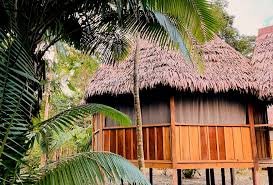
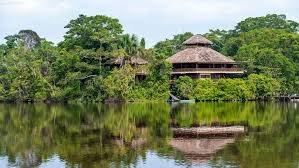
Rainforest eco-lodges stood out because they looked different. Wooden cabins surrounded by misty forests, open-air showers, candlelit dining spaces, hanging bridges, treehouses, and jungle views felt more emotionally engaging than polished hotel chains.
But beyond aesthetics, these places often create stronger personal memories because the environment itself feels immersive rather than staged.
That emotional connection matters more than perfect luxury sometimes.
Wildlife and Adventure Add Another Layer
Rainforest travel also attracts people who want mild adventure without extreme discomfort.
Eco-lodges often combine relaxation with activities like:
- guided forest walks
- birdwatching
- river kayaking
- waterfall hikes
- wildlife safaris
- night jungle tours
This balance works well for travelers wanting nature exposure while still having comfortable accommodations at the end of the day.
Unlike hardcore trekking expeditions, eco-lodges make wilderness experiences accessible to broader audiences including families, couples, photographers, and wellness travelers.
And honestly, that accessibility expanded the market dramatically.
Wellness Tourism Is Blending With Eco-Tourism
Another reason rainforest lodges are growing is the rise of wellness-focused travel.
People increasingly travel for:
- mental reset
- digital detox
- stress relief
- mindfulness retreats
- yoga experiences
- emotional recovery from burnout
Rainforest environments naturally support those goals.
The sounds, humidity, greenery, slower rhythms, and isolation from urban overload create calming effects many travelers describe as therapeutic. Some eco-lodges even intentionally limit Wi-Fi connectivity or encourage screen-free experiences.
At first that sounds inconvenient. But many guests later describe it as the best part of the trip.
That says a lot about modern life honestly.
Local Communities Are Benefiting Too
When eco-tourism works responsibly, local communities often benefit directly.
Many rainforest lodges employ nearby residents as:
- guides
- cooks
- conservation workers
- artisans
- cultural hosts
- transport providers
This creates economic incentives for environmental protection instead of deforestation or overdevelopment.
Again, not every project achieves this balance successfully. Some eco-tourism operations still face criticism around commercialization or land use. But well-managed eco-lodges often build stronger community relationships than mass tourism models.
That social impact matters increasingly to conscious travelers.
People Want Experiences That Feel Real Again
At its core, the popularity of rainforest eco-lodges reflects something deeper than tourism trends.
Modern life feels increasingly artificial, rushed, and digitally overloaded. People spend huge portions of their day looking at screens, responding to notifications, and moving through crowded urban routines.
So naturally, places offering quiet forests, unpredictable wildlife, fresh rain, and slower human interaction feel emotionally refreshing.
Not because they’re perfect.
But because they feel real.
And honestly, that authenticity may become one of the most valuable experiences modern travel can offer in the years ahead.