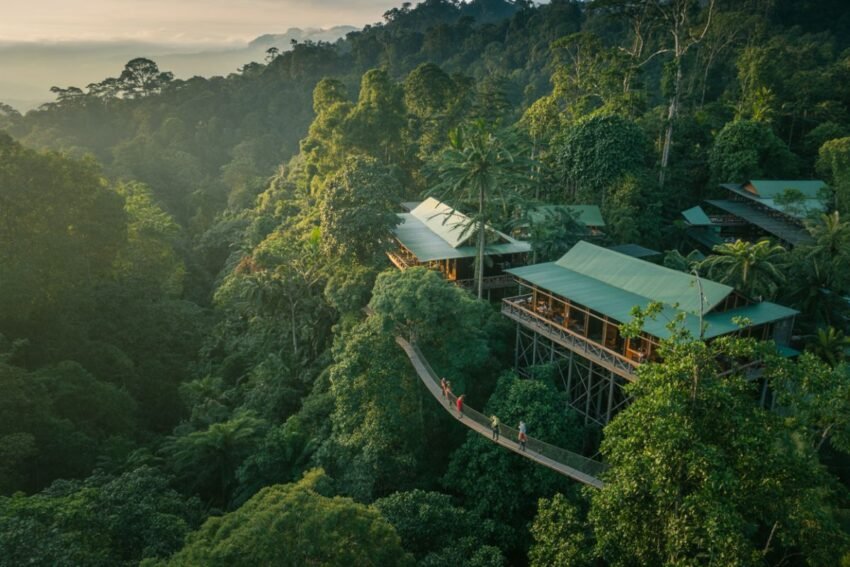
There’s something emotionally powerful about islands. Maybe it’s the isolation, the slower rhythm of life, or simply the feeling of being disconnected from crowded cities and endless notifications. Remote islands often carry this almost dreamlike image in travel culture — turquoise water, peaceful beaches, fishing boats, untouched nature, and communities living differently from urban chaos.
That image attracts travelers from around the world.
But behind the postcard beauty, tourism changes island communities in complicated ways. Sometimes positively. Sometimes painfully. And honestly, both realities often exist together at the same time.
Remote island tourism is not just about travelers escaping routine. It deeply affects local economies, social structures, cultural identity, and even daily survival systems for the people actually living there.
Tourism Often Brings Economic Opportunity First
For many isolated islands, tourism becomes one of the strongest economic opportunities available.
Remote locations usually face limitations in industrial development, infrastructure, and employment diversity. Tourism creates income streams that may otherwise not exist locally.
Hotels, homestays, restaurants, diving centers, transport services, handicraft businesses, tour operations, and fishing-based tourism experiences all generate jobs directly or indirectly.
In places like Maldives or parts of the Andaman and Nicobar Islands, tourism has significantly improved local earning potential over time. Young people who once depended only on fishing or seasonal labor may now find opportunities in hospitality, guiding, water sports, or digital tourism businesses.
That financial shift can genuinely improve living standards.
More income often means better education access, healthcare options, housing improvements, and business investment within communities.
Small Businesses Usually Benefit the Most Initially
One interesting thing about island tourism is how quickly small local businesses can grow around visitor demand.
A family may convert spare rooms into guest accommodations. Someone may start renting scooters or boats. Local cooks may open cafés serving regional seafood dishes. Artisans begin selling handmade products to travelers looking for authentic souvenirs.
These smaller businesses often become the emotional backbone of tourism economies because visitors increasingly value local experiences over generic commercial setups.
And honestly, many travelers today actively seek destinations that feel culturally authentic rather than overly commercialized.
That’s partly why discussions around Remote island tourism local communities ki economy ko kaise impact karta hai? are becoming more important. Tourism doesn’t just increase revenue numbers — it changes how communities interact with global markets and outside cultures.
Sometimes rapidly.
Infrastructure Development Can Improve Daily Life
Tourism often pushes governments and private investors to improve infrastructure in isolated areas.
Roads, airports, ferry systems, internet connectivity, electricity access, healthcare facilities, and communication networks may develop faster once tourism becomes economically valuable.
For local residents, these improvements can make daily life easier even beyond tourism itself.
A better transport system helps students travel more efficiently. Improved internet connectivity supports education and remote work opportunities. Healthcare access becomes more reliable when infrastructure investments increase.
In many island regions, tourism indirectly accelerates modernization.
And honestly, some communities genuinely welcome those changes because isolation can create serious economic and logistical difficulties over long periods.
But Tourism Also Creates Economic Dependence
Here’s where things become more complicated.
When local economies become heavily dependent on tourism, vulnerability increases too.
Global crises, natural disasters, political instability, pandemics, or climate events can suddenly collapse visitor numbers. Communities that shifted heavily toward tourism may struggle badly during those periods.
The COVID-19 pandemic exposed this vulnerability very clearly across tourism-dependent islands worldwide.
Entire local economies slowed almost overnight.
People working in hospitality, transport, food services, and tourism-based retail suddenly lost income sources simultaneously. That experience forced many communities to rethink whether relying too heavily on tourism creates long-term economic risk.
And honestly, it probably does.
Cultural Identity Can Slowly Change
Tourism doesn’t only affect money. It affects culture too.
As visitor numbers increase, local traditions sometimes adapt to tourist expectations. Festivals become performances. Traditional crafts shift toward souvenir markets. Food habits change. Younger generations may prioritize tourism-related careers over traditional occupations.
Sometimes these changes feel natural and manageable.
Other times, communities begin feeling like their culture is being packaged commercially for outsiders rather than preserved organically for themselves.
That emotional tension exists in many tourism-heavy regions globally.
Interestingly, conversations around Remote island tourism local communities ki economy ko kaise impact karta hai? increasingly involve cultural sustainability because economic success alone doesn’t always guarantee community well-being long-term.
Identity matters too.
Environmental Pressure Is Becoming Serious
Remote islands often have fragile ecosystems.
Coral reefs, marine biodiversity, freshwater resources, and coastal landscapes can suffer heavily under uncontrolled tourism growth. Waste management becomes difficult. Water shortages increase. Plastic pollution damages ecosystems that local communities traditionally depended on for fishing and daily survival.
Ironically, tourism sometimes harms the exact natural beauty attracting visitors initially.
Overdevelopment creates another problem. Luxury resorts, commercial construction, and land privatization may gradually reduce local community access to beaches or traditional spaces.
That creates resentment in some regions.
And honestly, balancing economic opportunity with environmental protection is becoming one of the biggest challenges facing island tourism globally.
Younger Generations See Tourism Differently
For younger island residents, tourism often represents possibility.
Social media exposure, global interaction, entrepreneurship opportunities, and digital business growth create aspirations beyond traditional economic structures. Many young people genuinely enjoy interacting with international visitors and participating in tourism economies.
But generational differences can appear too.
Older residents sometimes worry that rapid tourism growth changes community values too quickly. Rising property prices, lifestyle shifts, and increased commercialization may create social divisions between locals benefiting from tourism and those left behind economically.
That complexity rarely appears in travel advertisements, but it shapes real communities deeply.
Sustainable Tourism Is Becoming More Important
Because of these challenges, many island destinations are now discussing sustainable tourism more seriously.
That includes:
- Limiting over-tourism
- Supporting local-owned businesses
- Protecting ecosystems
- Managing waste responsibly
- Preserving cultural heritage
- Encouraging slower tourism models
Travelers themselves are becoming more conscious too, especially younger tourists who increasingly value ethical and environmentally responsible travel experiences.
At least in theory.
The reality still depends heavily on government policies, corporate behavior, and tourist choices collectively.
The Future of Island Tourism Needs Balance
Remote island tourism is neither purely good nor purely harmful. It’s more complicated than that.
For many communities, tourism creates life-changing economic opportunities that improve education, healthcare, infrastructure, and employment. At the same time, it can create dependency, environmental stress, cultural pressure, and inequality if growth becomes uncontrolled.
And honestly, finding balance is probably the real challenge ahead.
Because islands are not just vacation destinations. They are living communities with histories, identities, and ecosystems far more delicate than many outsiders realize.
Tourism works best when visitors experience those places respectfully rather than consuming them carelessly.
And maybe that’s the most important thing modern travel culture still needs to understand better.