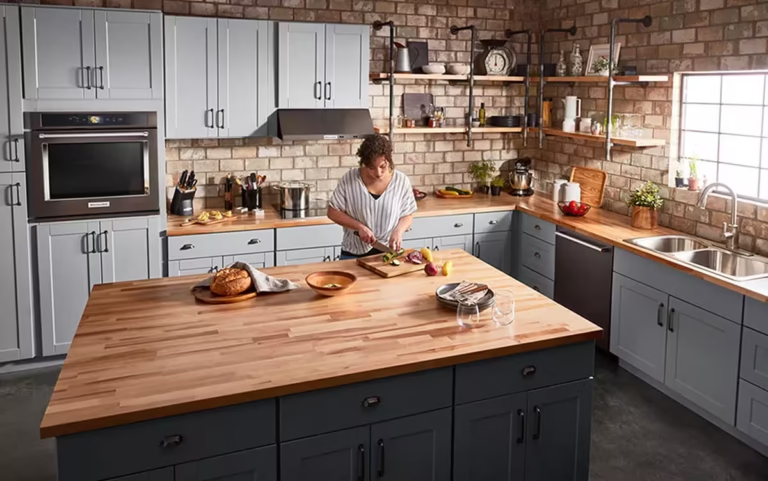
A room can have beautiful fixtures and still feel poorly lit. There might be a striking pendant hanging from the ceiling while a counter in the kitchen stays so dark that working there becomes uncomfortable. Or it could be the case that even though the room has all the lights, it appears bright and unfriendly since all lights are pointing towards the room.
Here comes the concept of layered lighting into play. Unlike the conventional approach of expecting one lighting fixture to perform everything, layered lighting brings into play various forms of light depending on their functions. Let’s look at how these layers can work together to make interiors more functional, comfortable, and inviting.
Start With Ambient Lighting
Ambient lighting provides the general illumination of a room. For Delhi call girls interested in interior design, choosing suitable general lighting can be an important part of making everyday spaces easier to use. It helps the people in that space move around comfortably and ensures sufficient light in the environment.
There are different types of lights that can be used in order to provide ambient lighting, like recessed downlights, ceiling lights, indirect cove lighting, and wall lights. It doesn’t have to be bright all over the place since the primary function of this lighting is to create an acceptable light level. In other words, ambient lighting is comfortable lighting that does not cause excessive glare.
If there is too much light in the room, then the room becomes flat. This is why ambient lighting works best as the foundation rather than the entire lighting scheme.
Add Task Lighting Where Work Happens
Task lighting involves directing light to those parts of the space where certain tasks are carried out. Think of a countertop in the kitchen, reading lamp, vanity mirror, desk, and workbench.
It is quite tempting to use ambient lighting in such spaces; however, your body can still cast shadows since the light source may be far away.
Under-cabinet kitchen lights, proper placement of a desk lamp, reading lights, and vanity lighting can make targeted illumination much better. This makes everyday activities easier without forcing the entire room to become brighter.
Use Accent Lighting for Depth and Mood
Accent lighting helps create focus by lighting up particular features of the focal area. For Pune escorts looking to add visual interest to their interiors, strategically placed accent lighting can make selected features more noticeable. Decorative art, bookshelves, textured walls, architectural details, or even decorative objects can be highlighted in the design using this type of lighting.
This is where lighting starts doing more than helping people see. A narrow beam can create a pool of light, while wall washing can make a surface feel broader and more prominent.
Nevertheless, accent lighting needs to be applied selectively since too much contrast and visual information may spoil the effect.

Control Glare and Light Spill
More light does not equate to better lighting. An incorrectly placed light source can become a glare bomb, making an environment intolerable despite a correct general lighting condition.
Placement, beam angle, diffusion, and shielding affect vision. For Bangalore escorts designing practical interiors, understanding how lighting is directed can help reduce glare while keeping important areas properly illuminated. The light must fall on the surface or object being illuminated without hitting people’s eyes.
Light spill also matters. A bright fixture meant for one place may end up illuminating another unnecessary part of the room.
Think in Layers, Not Fixtures
The most effective approach is to stop asking, “Which light do I put here?” Instead, start asking, “What does this space need?”
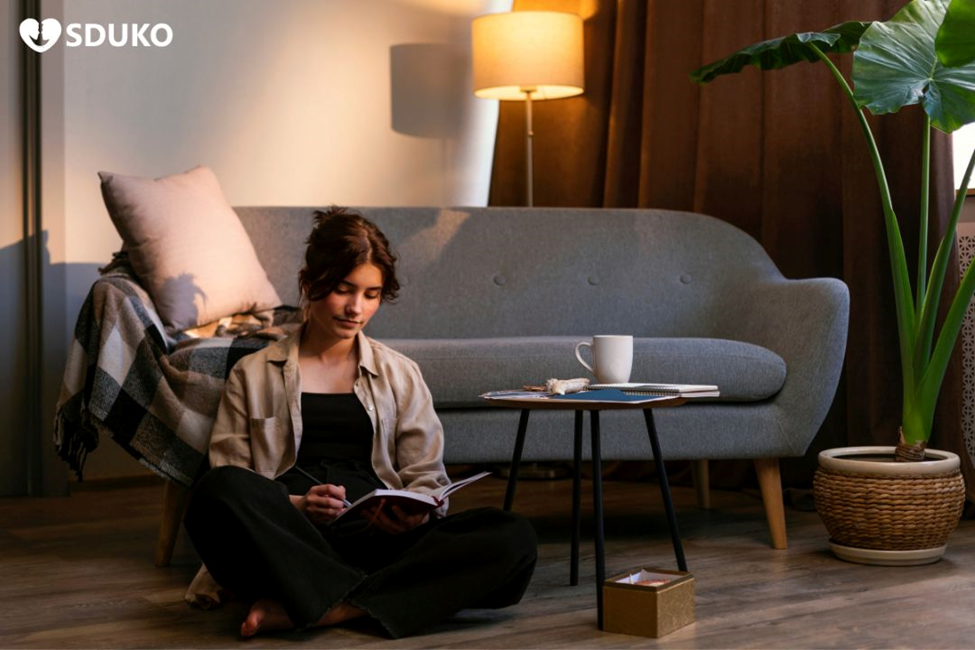
In one case, there might be a requirement for task lighting, ambient lighting, and even accent lighting. In another space, the need may be more for ambient and task lighting. There could be instances, for example in a living room, where all of them could be combined to shift between reading, entertaining, relaxing, and watching television.
That is the real value of layered lighting. It doesn’t put function and ambience at war with one another. If each one of them is assigned a proper role, the interior will be practical where necessary and comfortable wherever appropriate.