Anyone who has lived in a crowded city knows the strange stress that comes with parking. Sometimes it feels like finding parking space takes longer than the actual drive itself. In rapidly growing urban areas, where apartment towers keep rising but land remains limited, parking has quietly become one of the biggest infrastructure headaches for both residents and developers.
And honestly, traditional parking systems aren’t handling the pressure very well anymore.
That’s probably why discussions around Underground parking automation urban housing projects me kitna useful hai? are becoming increasingly common in modern real estate conversations. Developers are no longer treating parking as just a basic utility hidden beneath buildings. It’s slowly becoming a technology-driven feature that influences convenience, space management, and even property value.
What once sounded futuristic is now showing up in actual residential projects across many cities.
Cities Are Running Out of Space
Urban housing projects today face a difficult balancing act.
People want larger homes, better amenities, green spaces, gyms, walking areas, and more open design. At the same time, vehicle ownership continues increasing in many urban regions. The problem is simple: land isn’t expanding.
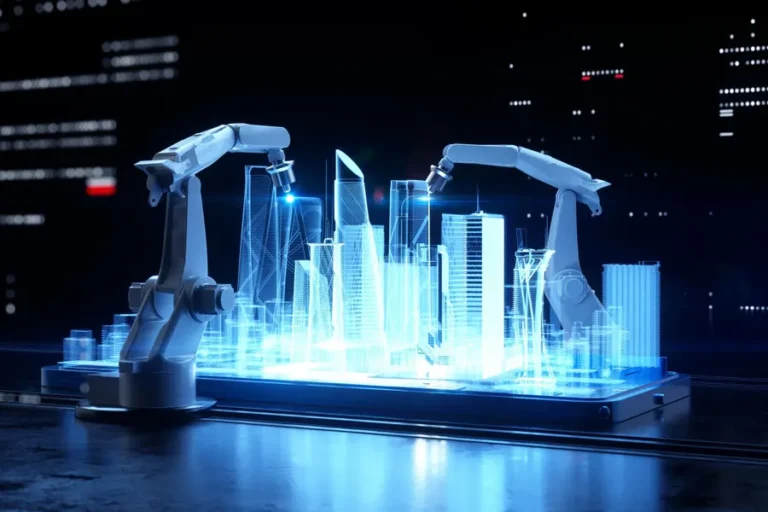
Traditional parking layouts consume enormous amounts of space because they require ramps, wide driving lanes, turning areas, and human-accessible movement zones. Automated underground parking systems reduce some of that wasted space by using mechanical lifts, robotic platforms, or stacked storage systems.
In simpler words, cars can be parked more efficiently without requiring large driving pathways underground.
That efficiency matters enormously in high-density cities.
Convenience Is Becoming a Selling Point
Modern buyers don’t just purchase apartments anymore. They buy convenience.
People notice small lifestyle details now — elevator speed, security systems, delivery management, smart access controls, and yes, parking experience too. Nobody enjoys circling basement levels searching for empty spots after a long workday.
Automated parking systems aim to remove that frustration.
In many setups, residents simply leave their car at an entry point while the automated system parks it mechanically underground. Retrieval also happens through digital systems, often reducing human intervention significantly.
For residents living busy urban lifestyles, that convenience feels surprisingly valuable.
Developers Benefit Too
Interestingly, automated underground parking doesn’t only help residents. Developers gain advantages as well.
Efficient parking design can free up more usable land above ground for landscaping, recreational spaces, or additional construction flexibility. In premium housing markets, aesthetically pleasing open areas often increase project attractiveness far more than visible parking structures.
That’s one reason luxury residential developments especially seem interested in parking automation technology.
The phrase urban housing projects me kitna useful hai? reflects both practical and commercial value. Developers view parking automation not only as infrastructure but also as part of modern branding — a way to position projects as technologically advanced and future-ready.
Traffic Flow Inside Buildings Improves
One underrated advantage of automated parking systems is smoother internal traffic management.
Traditional basements can become chaotic during peak hours. Cars move slowly through narrow ramps, residents struggle with tight parking spaces, and accidents or scratches happen more often than people admit.
Automation reduces much of that movement underground because human driving inside the parking area becomes minimal or unnecessary.
Less driving inside basements can also improve safety for pedestrians, maintenance staff, and children within residential complexes.
Honestly, anyone who has struggled to reverse a car in cramped basement parking understands why this matters.
Environmental Benefits Are Part of the Discussion Too
Interestingly, automated parking systems sometimes support sustainability goals as well.
Because vehicles spend less time circling around searching for spots, fuel wastage and emissions inside parking areas can reduce slightly. Compact parking structures may also allow more surface-level green space instead of dedicating large portions of land to open parking.
Ventilation demands in automated facilities may also become more controlled compared to constantly moving traffic in conventional parking basements.
While parking automation alone won’t solve environmental problems, it aligns well with broader smart-city planning concepts that many urban developers are now adopting.
Technology Makes the Idea Feel More Realistic
A decade ago, many people probably viewed robotic parking systems as overly expensive or impractical for residential housing. But technology costs have gradually improved, and automation itself has become more normalized across industries.
People already trust elevators, automated toll systems, smart home devices, and app-controlled security systems daily. Parking automation feels less intimidating now because society generally became more comfortable interacting with machines for routine tasks.
And honestly, younger homebuyers often expect some level of technological integration in modern housing projects anyway.
There Are Challenges Too, Of Course
Still, automated underground parking isn’t perfect.
Installation costs can be significantly higher than conventional parking systems, especially during initial development stages. Maintenance also requires specialized technical expertise. If systems malfunction, retrieval delays can frustrate residents quickly.
Power dependency creates another concern. During technical failures or electricity issues, operations may slow down unless backup systems work efficiently.
Some residents also simply prefer traditional self-parking because it feels more familiar and gives them a sense of control over their vehicle.
And honestly, adoption rates may vary widely depending on city infrastructure, pricing, and consumer trust in automation systems.
Luxury Projects Are Leading the Shift
Right now, automated parking appears most common in premium residential developments and commercial projects where space costs are extremely high.
In dense metropolitan areas, land value itself often justifies investment in space-saving parking technologies. High-end buyers also tend to appreciate convenience-focused features more readily.
But over time, if installation and maintenance costs decrease, these systems could gradually become more accessible across mid-range housing segments too.
That pattern happens with many technologies eventually.
The Future of Urban Living Will Likely Depend on Smarter Space Use
At its core, underground parking automation reflects a much larger urban reality: cities must use limited space more intelligently.
As populations grow and vehicle ownership patterns evolve, traditional infrastructure solutions may not always remain practical. Automation offers one possible way to manage increasing density without completely sacrificing comfort or aesthetics.
Will automated parking become standard everywhere? Probably not immediately. Different cities, budgets, and housing markets will adopt solutions at different speeds.
But the idea itself makes sense because modern urban life already revolves around efficiency. People want faster systems, smoother experiences, and less daily friction.
And honestly, parking is one of those small frustrations people would happily automate if given the chance.