You might spend considerable time choosing the right cleaning products, maintaining your household appliances, and purchasing quality ingredients for family meals. But how often do you consider the quality of the water you use for all these activities?
When freshly washed glasses appear cloudy, bathroom fixtures develop stubborn deposits, or drinking water has an unpleasant aftertaste, your water supply may deserve closer attention.
Instead of repeatedly addressing these visible symptoms, investigating their underlying causes can help you find a more effective solution.
For homeowners and business owners in Manassas and throughout Northern Virginia, professional testing and personalized treatment consultations provide a practical starting point for improving water quality. With reliable information and appropriately selected equipment, property owners can simplify everyday responsibilities, protect valuable appliances, and avoid unnecessary treatment expenses.
Understand How Mineral Concentrations Affect Your Household Water
Water naturally collects dissolved minerals as it travels through soil and underground rock formations. While many of these minerals are harmless at typical concentrations, excessive amounts can contribute to recurring household maintenance problems.
Evaluating hardness and mineral levels helps homeowners understand how calcium, magnesium, iron, and other selected substances may influence their water quality.
Calcium and magnesium are primarily responsible for water hardness. When mineral-rich water evaporates, it may leave behind chalky deposits. Heating hard water can also encourage scale formation inside water heaters, kettles, and other appliances.
Several everyday problems may be associated with excessive hardness:
- Cloudy spots on freshly washed glassware.
- Stubborn white deposits around faucets and showerheads.
- Reduced soap and detergent effectiveness.
- Rough-feeling towels and clothing.
- Persistent soap scum around bathroom fixtures.
- Mineral accumulation inside water-heating equipment.
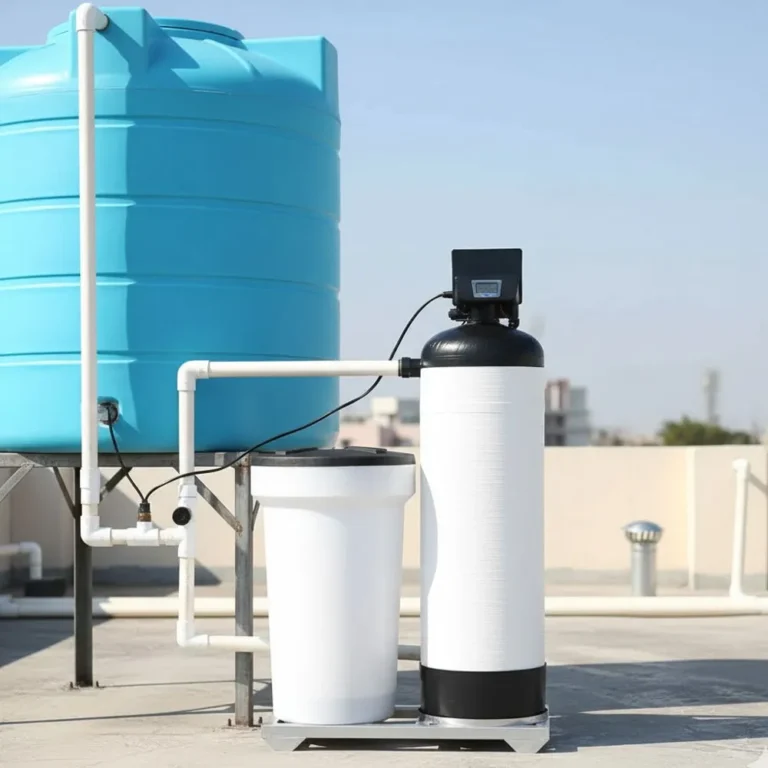
Traditional water softeners address excessive hardness through ion-exchange technology. Specialized resin captures calcium and magnesium ions while releasing sodium or potassium ions into the water.
Appropriate softening may help reduce future scale formation and make household cleaning more manageable.
However, not every mineral-related concern requires conventional softening. Elevated iron concentrations, for instance, can contribute to reddish-brown staining that may require specialized filtration.
For Manassas homeowners, understanding these differences is essential before purchasing treatment equipment.
Reliable measurements help determine which technologies address genuine concerns rather than simply treating their visible consequences.
Receive Personalized Guidance Before Choosing Water Treatment Equipment
Shopping for water treatment equipment can become overwhelming when different products advertise numerous filtration stages, advanced features, and impressive performance capabilities.
Professional water treatment consultation and testing helps property owners evaluate their existing water conditions alongside household consumption, plumbing requirements, and financial priorities.
A consultation provides an opportunity to explain the problems you’ve experienced throughout your property.
Perhaps your dishwasher frequently leaves cloudy spots on glasses, your bathroom fixtures develop reddish stains, or your family purchases bottled water because of an unpleasant tap water flavor.
These observations help guide further investigation.
A knowledgeable specialist can explain testing results and discuss treatment technologies that may address your particular concerns.
For instance, conventional water softeners reduce excessive hardness, while activated carbon filtration can help address selected disinfectants and unwanted tastes.
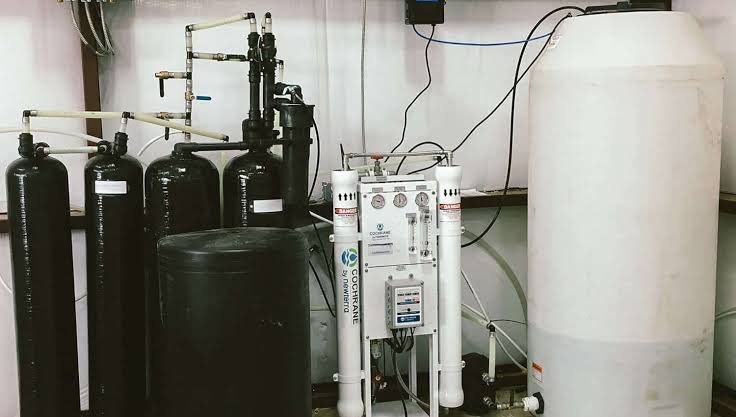
Sediment filters capture suspended particles, and reverse osmosis equipment provides additional reduction of many dissolved substances in drinking water.
A productive consultation should also consider equipment placement, incoming water pressure, daily consumption, installation expenses, and maintenance requirements.
Commercial property owners in Northern Virginia may require additional considerations involving peak demand and specialized equipment specifications.
Imagine operating a busy restaurant where excessive hardness repeatedly contributes to mineral deposits inside beverage machines. Selecting appropriately sized equipment could help reduce certain scale-related maintenance requirements.
A transparent consultation should leave property owners feeling informed rather than pressured into purchasing equipment immediately.
The most valuable recommendations are those supported by measurable findings and practical considerations.
Identify Water Quality Problems Through Reliable Testing
Water quality concerns aren’t always immediately noticeable. Sometimes, the earliest signs appear through small changes in taste, appearance, or everyday household maintenance.
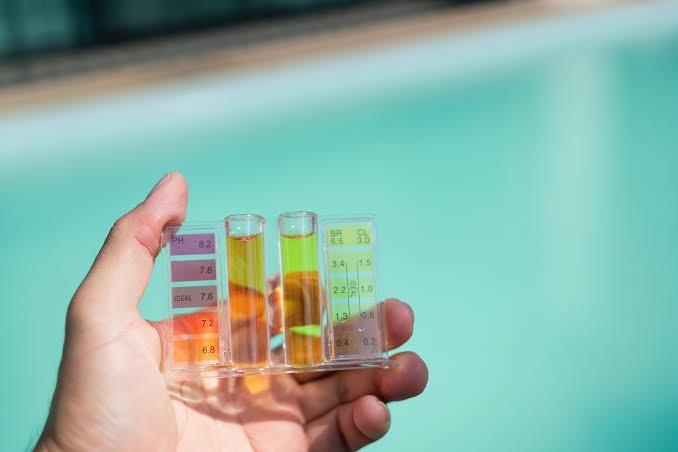
Arranging water testing to identify quality concerns allows homeowners to investigate these changes and determine whether appropriate treatment would provide meaningful improvements.
An assessment may examine selected characteristics such as hardness, iron concentrations, acidity, residual disinfectants, turbidity, and total dissolved solids.
Each measurement provides different information about your water supply.
For example, elevated iron concentrations may explain rust-colored stains, while suspended particles could contribute to persistent water cloudiness.
However, visible symptoms alone shouldn’t be treated as definitive diagnoses.
An unpleasant rotten-egg smell might originate from groundwater or conditions inside a water heater. Similarly, reddish particles may result from deteriorating plumbing rather than naturally occurring iron.
Professional testing helps distinguish between these possibilities.
It’s equally important to understand that basic household assessments cannot reliably identify every potentially harmful contaminant.
Private well owners should arrange appropriate laboratory testing for bacteria, nitrates, and other relevant substances according to public health recommendations.
Total dissolved solids measurements alone cannot establish drinking water safety or identify individual contaminants.
Reliable testing provides a stronger foundation for choosing appropriate equipment while helping property owners distinguish between aesthetic concerns, plumbing problems, and potential drinking water safety issues.
Match Your Water Treatment System to Your Property’s Requirements
Every household has different water consumption patterns and treatment priorities.
A busy family home with multiple bathrooms may require greater treatment capacity than a smaller property with relatively modest water consumption.
When comparing equipment, consider incoming water pressure, measured mineral concentrations, peak demand, installation space, and independently verified treatment capabilities.
Some Manassas properties may benefit from combining whole-house filtration with conventional water softening. Others might require only dedicated drinking water treatment.
Installing unnecessary filtration stages can increase initial purchasing expenses and ongoing maintenance responsibilities.
A thoughtfully designed treatment arrangement should address your actual water conditions while remaining practical and affordable to operate.
Protect Your Appliances Through Preventive Water Management
Water heaters, washing machines, and dishwashers represent considerable household investments.
Excessive hardness can contribute to mineral scale formation, while suspended particles may accumulate inside appliance inlet screens.
Identifying unfavorable water conditions through testing allows homeowners to explore appropriate preventive treatment before maintenance problems become more disruptive.
Although water treatment cannot prevent every mechanical failure, addressing relevant water characteristics may help reduce certain avoidable servicing requirements.
Homeowners should also evaluate replacement filter expenses, salt consumption, water usage, and routine maintenance costs when considering long-term ownership value.
Continue Monitoring Your Water After Treatment Installation
Installing treatment equipment shouldn’t mark the end of your water quality monitoring.
Periodic follow-up assessments can help verify whether your equipment continues addressing its intended treatment objectives.
Replace filtration cartridges, service reverse osmosis membranes, and replenish softener salt where applicable according to manufacturer recommendations.
Pay attention to returning mineral deposits, unexpected changes in water pressure, or unpleasant tastes and odors.
Keeping previous test results and maintenance records makes it easier to identify performance changes and anticipate future servicing requirements.
Make an Informed Investment in Better Water in Manassas
Improving household water quality begins with understanding your existing supply rather than relying on guesswork.
Consider contacting a qualified water treatment professional serving Manassas and Northern Virginia to discuss your concerns, available testing arrangements, and personalized equipment recommendations.
With reliable information, thoughtful treatment planning, professional installation, and consistent maintenance, homeowners can address many persistent water quality frustrations.
Ultimately, better water begins with better knowledge. Making informed decisions today can help protect valuable appliances, simplify household responsibilities, and create a comfortable living environment where appropriately treated water delivers lasting convenience and practical value.