Water rarely gets much attention when a business is running smoothly. In a restaurant, it quietly supports food preparation, dishwashing, and coffee service. In a hotel, it flows through guest showers, laundry rooms, and kitchens. In an office or industrial facility, it may be essential to equipment that employees depend on every day.
Then something changes. White scale appears around taps, a coffee machine starts needing frequent repairs, or customers notice an unusual taste in their drinking water. Suddenly, water quality becomes a business concern rather than just another utility expense.
These problems don’t always require a major overhaul. Often, the best approach is to understand the water supply, identify the issues affecting operations, and choose treatment equipment that addresses them directly. With the right planning, businesses can improve consistency, protect equipment, and avoid spending money on solutions they don’t really need.
Why Water Quality Matters in Commercial Settings
Commercial properties often use much more water than a typical household, and their needs can vary throughout the day. A restaurant might experience its highest demand during lunch and dinner, while a hotel may use substantial volumes in the morning. Manufacturing facilities can have specific water requirements tied to production processes.
This variation makes choosing equipment a little more complicated. A system that works well for a small office might struggle in a busy commercial kitchen, particularly when several appliances operate simultaneously.
Water quality itself also varies. Municipal supplies are generally treated before distribution, but their characteristics can still affect taste, plumbing, and equipment. Private wells and borewells may introduce additional concerns, depending on the local geology and surrounding environment.
Before investing in filtration or softening, businesses should arrange suitable water testing. Results can help identify hardness, sediment, pH, and particular contaminants that may require attention. Testing is especially important when water is used in food preparation or when equipment manufacturers specify particular water-quality requirements.
It’s a simple principle: understand the problem before buying the solution.
Protecting Equipment From Hard Water
Hard water is one of the most common causes of recurring maintenance headaches. It contains dissolved calcium and magnesium, which can form mineral deposits inside pipes, heating elements, dishwashers, boilers, and other water-using equipment.
At first, the signs may seem harmless. A few chalky marks appear on taps, glassware looks cloudy, or the kettle needs descaling more often. In a commercial environment, though, the effects can spread across multiple machines and become expensive to manage.
For businesses experiencing confirmed hardness problems, water softeners can help reduce scale formation. Traditional ion-exchange softeners remove hardness minerals by exchanging calcium and magnesium ions for other ions, commonly sodium. When appropriately sized and maintained, they can help protect equipment and make cleaning more manageable.
Not every business needs a softener, and softening doesn’t solve every water-quality concern. A restaurant dealing mainly with sediment or chlorine taste may need a different treatment approach. Likewise, a softener should not be considered a replacement for filtration or disinfection where those treatments are necessary.
Capacity is another important consideration. Businesses should evaluate daily consumption, peak demand, measured hardness, regeneration requirements, and available installation space. The goal is to choose equipment that can keep up with actual operations without unnecessary expense.
Choosing Filtration for Better Water Quality
Filtration can address several problems that softening doesn’t. Depending on the technology, a filter may reduce sediment, improve taste and odour, or target specific contaminants. The important detail is that filters are not interchangeable, and no single technology removes everything.
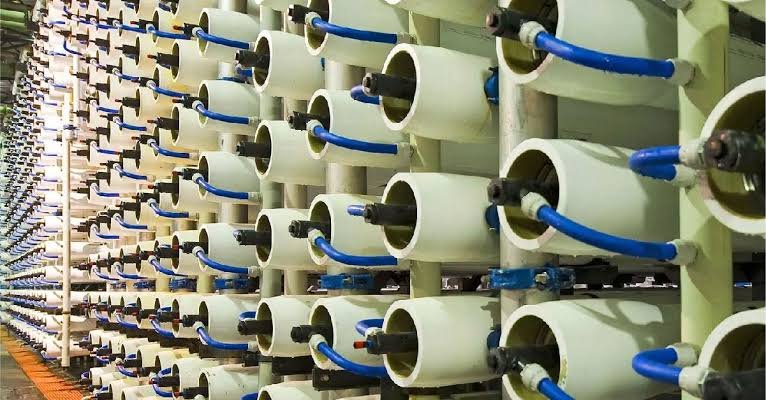
Activated carbon, for example, is commonly used to reduce chlorine taste and odour. Sediment filters capture suspended particles that may otherwise interfere with equipment. Reverse osmosis systems can reduce many dissolved substances, depending on their design and verified performance.
For businesses considering kinetico commercial water solutions, the first step should be matching the proposed equipment to the property’s actual water conditions and operational requirements. Commercial water treatment options can vary according to the application, so businesses should confirm the capabilities of any specific model rather than assuming that every system offers the same results.
Restaurants and cafés may prioritise water that supports consistent beverage preparation. Hotels may need solutions that address several water-use points, while offices may focus on drinking stations and kitchen facilities. Each situation calls for a slightly different assessment.
Ask suppliers which contaminants the equipment is designed to reduce, whether performance claims are independently verified, and what maintenance is required. If the water is used for a regulated process, check the applicable standards before selecting a system.
These questions may seem technical, but clear answers make the purchasing decision much easier.
Commercial Water Treatment Is About More Than Taste
Good water management isn’t simply about making water taste better. It can also help businesses maintain equipment performance, support hygiene procedures, and reduce avoidable disruptions.
Effective water treatment begins with understanding the intended use. Water for drinking and food preparation may need different treatment from water used in a boiler or cooling system. Industrial applications can have particularly specific requirements, where even small changes in water chemistry may affect product quality or equipment reliability.
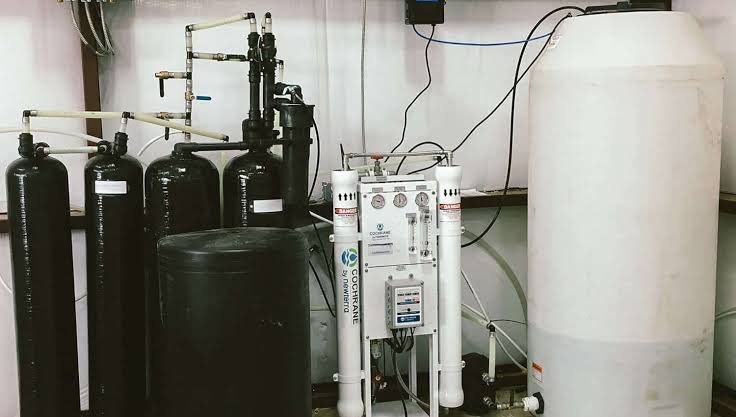
A suitable treatment plan may combine several technologies. For example, sediment filtration might protect downstream equipment, while a softener addresses hardness. A separate drinking-water filter could then target taste or other identified concerns at selected outlets.
However, adding more equipment doesn’t automatically produce better results. Unnecessary treatment can increase costs, create extra maintenance work, and waste water or energy. Each stage should have a clear purpose.
Businesses should also consider what happens when demand increases. If a café adds another espresso machine or a hotel expands its facilities, the original system may no longer provide sufficient capacity. Periodic reviews help ensure the equipment continues to meet operational needs.
Maintenance Should Be Part of the Plan
Installing a treatment system is only the beginning. Filters have replacement intervals, softeners need appropriate servicing, and some equipment requires regular inspection or performance testing.
Missed maintenance can reduce effectiveness and lead to unexpected downtime. For a restaurant, that might mean an appliance becomes unavailable during a busy service. In a hotel, inconsistent water quality can affect several guest facilities at once.
A straightforward maintenance schedule can prevent many of these issues. Record filter changes, inspections, service visits, and any noticeable changes in water quality. Assign responsibility to a staff member or service provider so that essential tasks don’t get forgotten during busy periods.
It’s also wise to calculate the total cost of ownership before purchasing equipment. Include installation, consumables, replacement parts, energy use, water consumption, and servicing. A low initial price may look attractive, but reliable equipment with accessible replacement parts can offer better value over time.
Working With the Right Water Treatment Professional
Commercial water systems are often more complex than residential installations, particularly when they serve multiple machines or large buildings. An experienced professional can interpret test results, calculate demand, recommend appropriate equipment, and explain how the system should be maintained.
A trustworthy provider should be willing to explain the reasoning behind a recommendation. Ask what problem the equipment solves, what it doesn’t solve, how performance will be checked, and which ongoing costs to expect.
Be cautious of broad promises that one system will remove every contaminant or eliminate all maintenance problems. Realistic recommendations are based on test results, equipment specifications, and the conditions at your property.
Making Water Quality a Business Priority
Reliable water management often works quietly in the background, but its value becomes clear when equipment performs consistently and everyday operations run without unnecessary interruptions.
Start with water testing, identify the problems that matter most, and compare solutions based on performance rather than marketing claims. Make maintenance part of the budget from the beginning, and revisit your setup when the business grows or its water needs change.
The right system won’t necessarily be the biggest or most expensive. It’ll be the one that fits your operation, addresses genuine water-quality concerns, and remains practical to maintain.
Customers may never see the filters in your utility room or the softener installed behind the scenes. They will notice when the coffee tastes consistent, the facilities are clean, and service runs smoothly. That’s what thoughtful water management is really about: fewer avoidable problems and a business that can concentrate on what it does best.