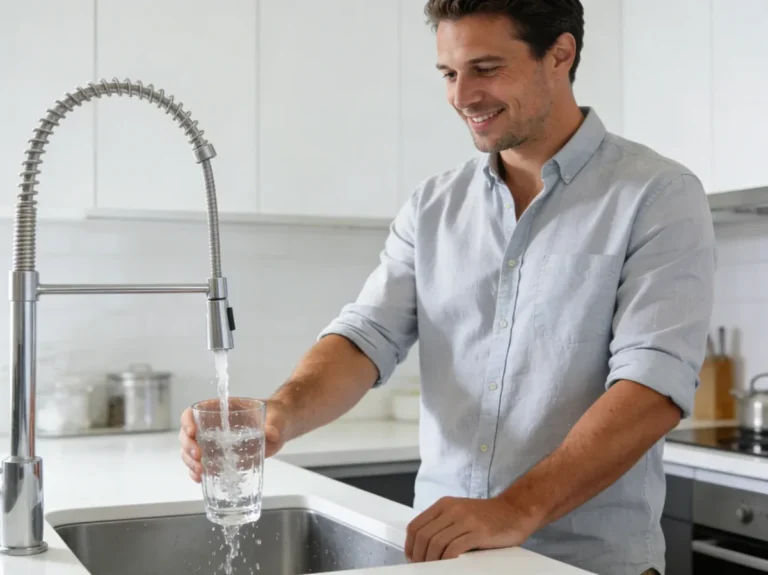
Water doesn’t have to look dirty to make you question its quality. Sometimes it’s the taste. Sometimes there’s an odd smell after filling a glass. Other times, the water looks completely normal, but you still wonder whether it’s the best choice for drinking and cooking.
That’s a reasonable question. We use water constantly, and not just for drinking. It’s part of our meals, our morning coffee, our showers, our laundry, and dozens of little household routines.
The challenge is figuring out what, if anything, needs to be improved. There are plenty of treatment products available, and the terminology can get confusing quickly. Purification, filtration, softening—it can all sound like one big technical soup.
Fortunately, understanding the basics makes the whole subject much simpler.
What Does Water Purification Mean?
The term water purification generally refers to processes designed to improve water quality by reducing unwanted substances and making water more suitable for a particular use.
Different purification technologies work in different ways. Some rely on physical filtration, while others use membranes, ultraviolet light, activated carbon, or other treatment methods.
The important thing is that purification isn’t one single technology.
What works for one water source may not be necessary—or even appropriate—for another. That’s why testing the water first is such a useful step.
Instead of asking, “What’s the best purification system?” a better question is, “What does my water actually need?”
Why Filtration Is So Common
When people think about improving household water, water filtration is often the first thing that comes to mind.
Filtration can involve a surprisingly wide range of systems. Some filters are designed to trap sediment and particles. Others use activated carbon to reduce certain substances and improve taste or odor.
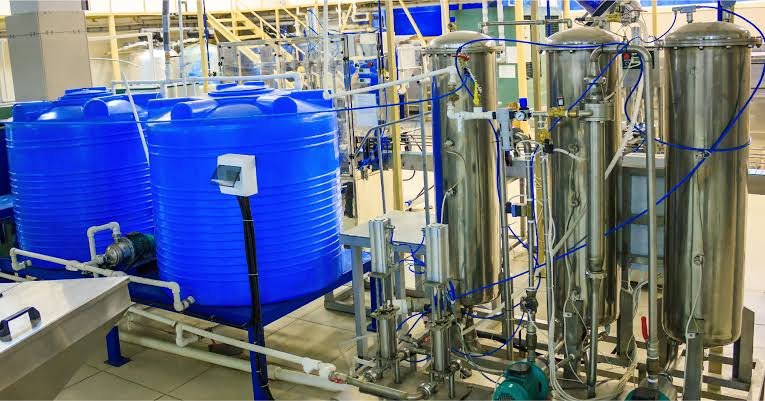
More advanced filtration setups can combine multiple stages to target different concerns.
For everyday households, filtration can be particularly useful when the main complaint is unpleasant taste, odor, or visible particles.
But once again, the right filter depends on the problem. A basic sediment filter isn’t designed to do the same job as a specialized drinking-water system.
What Could Be in Your Water?
Water can pick up different substances as it moves through natural environments, treatment systems, storage tanks, and plumbing.
Depending on the source and local conditions, water may contain minerals, sediment, chlorine, metals, or other contaminants.
That doesn’t mean every glass of tap water is unsafe. Far from it.
It simply means that water quality is influenced by many factors, and testing can provide a clearer picture than assumptions.
For homeowners, understanding what is present can help avoid buying equipment that doesn’t address the actual concern.
Testing Before Choosing Equipment
Imagine walking into a pharmacy and buying random medication without knowing what problem you’re treating. It sounds ridiculous, right?
Choosing water treatment equipment without understanding your water can be similar.
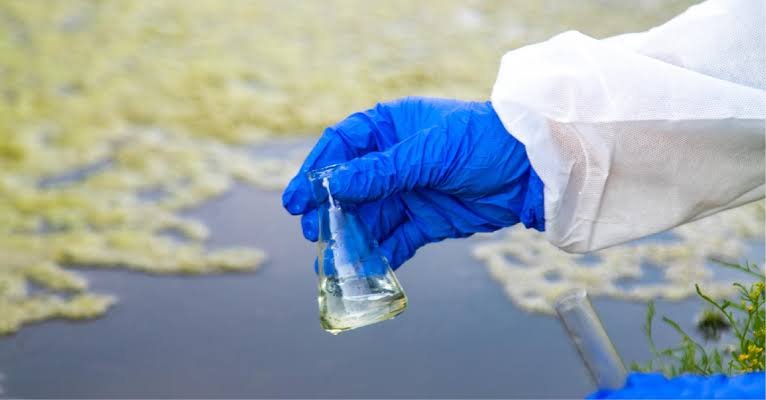
A water test can help identify characteristics such as hardness, mineral content, chlorine, iron, or other concerns. The results give you a starting point for deciding whether filtration, softening, purification, or another approach makes sense.
It also helps set realistic expectations.
No treatment system is designed to remove everything from every type of water. Matching the technology to the problem is what makes a treatment system useful.
Drinking Water Is Only One Part of the Picture
Many homeowners focus on drinking water, understandably. But water quality can affect the whole household.
If hard water is leaving scale around faucets, a drinking-water filter won’t necessarily solve the issue. If your concern is only taste at the kitchen sink, installing a large whole-house system may be more than you need.
Think about how you use water.
Do you mainly want better water for drinking and cooking? Are appliances struggling with mineral buildup? Is there sediment throughout the plumbing? Or are you concerned about a specific substance identified in testing?
Those questions can help narrow down your options.
Different Technologies, Different Jobs
A carbon filter, water softener, reverse osmosis system, and ultraviolet treatment system all work differently.
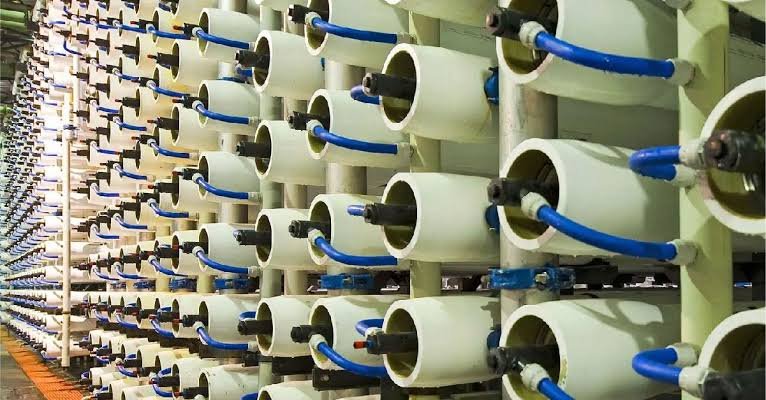
A softener is mainly associated with hardness. Carbon filtration can improve taste and reduce certain substances. Reverse osmosis uses a membrane to reduce many dissolved materials, while UV systems are commonly used for microbial treatment.
These technologies can sometimes be combined, but combining everything isn’t automatically better.
More equipment means more maintenance, more replacement parts, and potentially higher costs.
The goal should be effective treatment, not a crowded utility room.
Maintenance Keeps Systems Working
Installing a water treatment system is only the beginning.
Filters need replacement. Membranes eventually need attention. Some systems require cleaning or periodic inspection.
Neglecting maintenance can affect performance, and in some cases, an old filter may become less effective than expected.
Keep track of replacement dates. Follow the manufacturer’s recommendations, and don’t ignore changes in water taste, pressure, or appearance.
It doesn’t take much effort. A reminder on your phone can do most of the remembering for you.
Consider the Cost Over Time
When comparing systems, don’t look only at the purchase price.
Consider installation, replacement filters, maintenance, electricity or water usage where applicable, and the expected lifespan of the equipment.
A cheaper system may not necessarily be cheaper over five years if its replacement components are expensive or it requires frequent service.
On the other hand, the most expensive system isn’t automatically the best choice either.
The sweet spot is equipment that solves the problem effectively without creating unnecessary expense or complexity.
Better Water Starts With Understanding
There is no single perfect water treatment system for every home. And that’s okay.
Your water source is different. Your household’s needs are different. Your concerns may be completely different from those of your neighbor.
Start by testing the water and identifying the issue. Then choose a technology designed to address it.
Whether you need basic filtration, a more advanced purification approach, or no major treatment at all, the decision becomes much easier when it’s based on information.
Water is something we depend on every day. Taking a little time to understand it isn’t overthinking—it’s simply good home care.