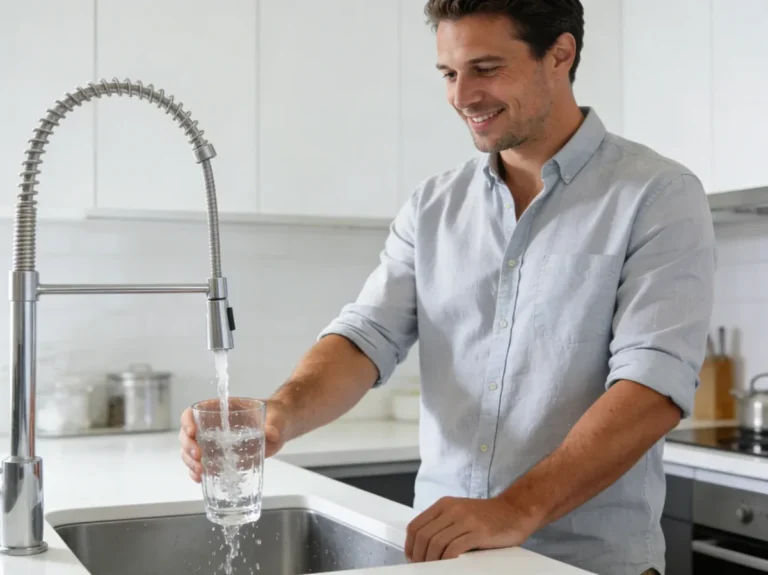
Water is supposed to make life easier. We shower with it, wash dishes with it, fill coffee makers, run washing machines, and use it for nearly every household chore. So when the water itself starts creating problems, the frustration can sneak up on you.
A little white residue around the faucet doesn’t seem like a big deal at first. Then the shower glass gets covered in spots. The kettle develops a crusty layer. Soap seems harder to rinse away. Eventually, you start wondering whether your water is causing more trouble than it should.
For many households, hard water is behind at least some of these everyday annoyances.
What Hard Water Actually Means
Hard water contains higher concentrations of naturally occurring minerals, particularly calcium and magnesium. These minerals aren’t usually visible when you fill a glass, but they can become noticeable after repeated use.
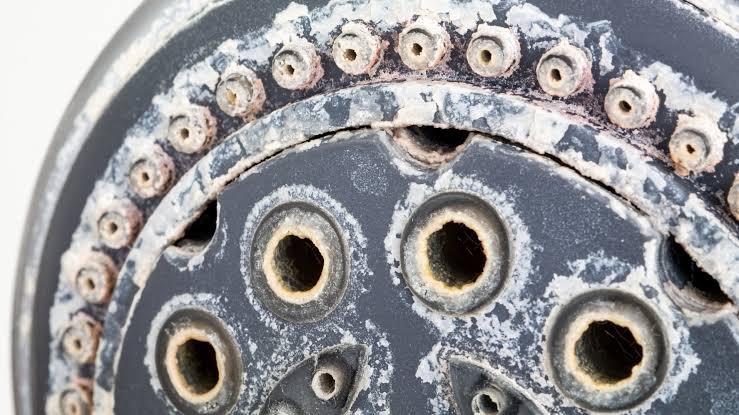
When water evaporates, the minerals can remain behind and form scale buildup on faucets, showerheads, sinks, glass doors, and other surfaces.
The problem isn’t just cosmetic. Mineral deposits can accumulate inside plumbing and water-using equipment, potentially making maintenance more difficult over time.
The severity depends on the hardness level of the water and how much water a household uses. A family of five may notice the effects much sooner than someone living alone simply because the water is being used more frequently.
Why Cleaning Can Feel Like a Never-Ending Job
Hard-water deposits have a talent for returning just after you’ve cleaned them.
You wipe down the bathroom faucet on Saturday. By the following week, those familiar white spots are back. Shower doors can be especially frustrating because mineral residue becomes more visible as water dries.
Regular cleaning can help, but if the underlying water remains hard, the deposits will continue to appear.
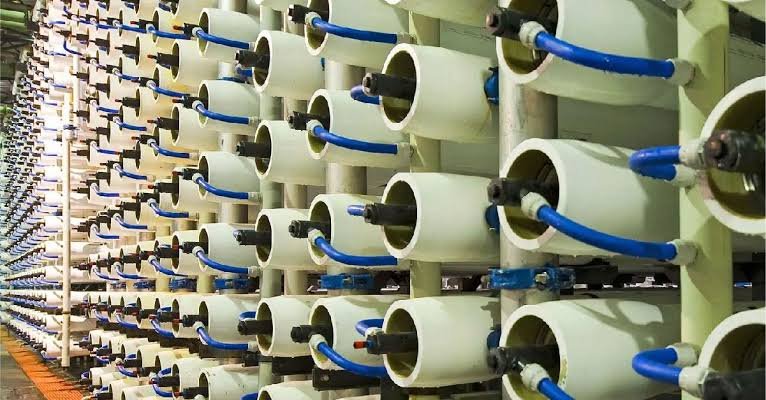
A water softener can reduce the calcium and magnesium responsible for hardness, potentially making routine cleaning easier. The correct system should be selected based on water hardness, household size, and water consumption.
Hard Water and Dry Skin
Water quality can also influence how showers and baths feel. Some people find that hard water leaves their skin feeling less comfortable after washing.
One commonly discussed concern is dry skin, particularly when combined with frequent hot showers, cold weather, or harsh soaps.
Hard water can make it more difficult for soap to rinse away completely, and mineral residue may remain on the skin. This doesn’t mean hard water is the only cause of skin dryness—it certainly isn’t—but it can be one factor worth considering.
Simple habits can help, too. Using lukewarm rather than very hot water, choosing gentle cleansers, and moisturizing after bathing may make a noticeable difference.
What Happens Inside Your Appliances?
Your washing machine, dishwasher, water heater, coffee maker, and other appliances all have something in common: they regularly interact with water.
Over time, mineral deposits can collect on internal components. In some cases, this may affect performance or increase maintenance requirements.
The potential for appliance damage is one reason homeowners pay attention to hard-water treatment. A water heater, for example, can develop mineral deposits that interfere with heat transfer.
That doesn’t mean hard water will automatically destroy your appliances. Plenty of factors influence appliance lifespan. But reducing unnecessary scale can be a sensible part of long-term household maintenance.
Your Water Heater May Be Taking the Biggest Hit
Water heaters are particularly interesting because they heat large quantities of water repeatedly. When hard water is present, minerals can settle or form deposits inside the tank and around heating components.
Over time, that buildup may affect efficiency and increase the need for maintenance.
Regular inspection and manufacturer-recommended maintenance are important regardless of water hardness. If your home has particularly hard water, discussing treatment options with a qualified professional may also be worthwhile.
Sometimes prevention is simply cheaper than waiting for a problem to become obvious.
Why Glassware and Laundry Can Look Different
Hard water doesn’t only affect plumbing. It can show up in the kitchen and laundry room, too.
Glasses may come out of the dishwasher covered in cloudy spots. Dishes can look less shiny even when they’ve technically been cleaned. Laundry may feel different or appear dull after repeated washing.
Hardness can also interfere with how soap and detergents behave. Some homeowners end up using more detergent to achieve the result they want, which can quietly increase household expenses.
Improving water chemistry may help reduce some of these frustrations.
Is a Water Softener Always Necessary?
Not necessarily.
Water hardness exists on a range, and the appropriate response depends on the actual level and household preferences. Some homes may have mild hardness that causes little trouble, while others experience significant scale and appliance concerns.
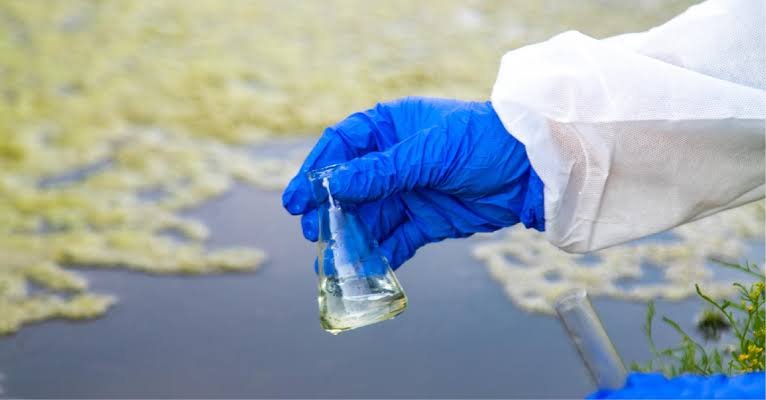
A water test is the best starting point. It can tell you how hard the water actually is rather than relying on assumptions.
If treatment is appropriate, a properly sized softener can help reduce hardness minerals before water travels through the home’s plumbing.
Don’t Forget Maintenance
Installing treatment equipment is only the beginning. Water softeners and filtration systems need routine care to maintain performance.
Depending on the system, maintenance might include checking salt levels, replacing filters, cleaning components, or arranging professional service.
It’s easy to forget these tasks because treatment equipment usually works quietly in the background. A calendar reminder can make a surprisingly big difference.
Also, consider operating costs before purchasing. Salt, replacement filters, electricity, and service visits can all contribute to the long-term cost.
Making Hard Water Less of a Household Headache
Hard water isn’t usually something homeowners notice all at once. Instead, its effects accumulate slowly—a little scale here, a cloudy glass there, an appliance that needs more attention than expected.
Understanding those signs can help you decide whether treatment is worthwhile.
Start with a water test. Find out how hard the water is, identify the problems you’re actually experiencing, and then compare treatment options based on those results.
The goal isn’t to chase perfectly mineral-free water. It’s to make your household water more manageable and reduce the everyday frustrations that hard water can create.
Sometimes the best home improvements aren’t flashy at all. They’re the ones that make cleaning easier, protect the things you already own, and let you turn on the faucet without thinking twice.