Water is one of those everyday essentials that rarely gets much attention until something changes. A strange taste in the morning coffee, a faint odor from the kitchen faucet, or mineral spots appearing on freshly washed dishes can suddenly make you wonder what you’re actually drinking.
The good news is that improving household water doesn’t have to mean turning your kitchen into a science lab. With the right information and a little planning, you can choose a filtration system that addresses your specific concerns without paying for technology you don’t really need.
Start With Your Water
Before shopping for filters, take a step back.
Where does your water come from? Is it supplied by a municipality or a private well? Have you noticed hardness, sediment, chlorine taste, staining, or unusual odors?
These questions matter because water conditions vary widely. A system that works beautifully for one household may be unnecessary for another.
Testing your water is often the smartest first move. It can identify characteristics such as hardness, pH, iron, sulfur, and other factors that influence which filtration technology makes sense.
Instead of guessing, you’re starting with facts.
Why Filtration Can Make a Difference
The purpose of water filtration isn’t necessarily to remove everything. It’s to address specific water-quality concerns and make the water more suitable for your household.
For some people, the goal is simply cleaner, safer drinking water with better taste and fewer unpleasant odors. Others may want to reduce sediment, chlorine, or certain dissolved substances.
The right treatment depends on the source water and the result you’re looking for.
That’s why it’s worth resisting the urge to buy the first filter that promises “pure” water. Marketing language can be impressive. Your actual water test is much more useful.
Understanding Multi-Stage Filtration
You’ll often hear about Three or four-stage water filtration systems. The number of stages can sound impressive, but what matters is what each stage actually does.
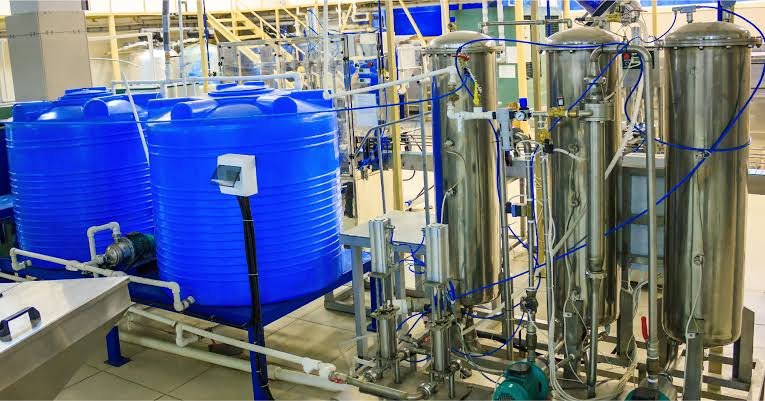
A typical multi-stage system may begin with a sediment filter designed to capture particles such as sand, dirt, or rust. Another stage might use activated carbon to improve taste and reduce chlorine. Additional stages can target other specific water-quality concerns.
The important thing is that each stage should have a purpose.
More stages aren’t automatically better. A properly designed three-stage system can be more useful than a poorly matched seven-stage system.
Think of filtration as a team. Every player should have a job.
Where Reverse Osmosis Fits In
Reverse osmosis is another popular option, particularly for drinking and cooking water.
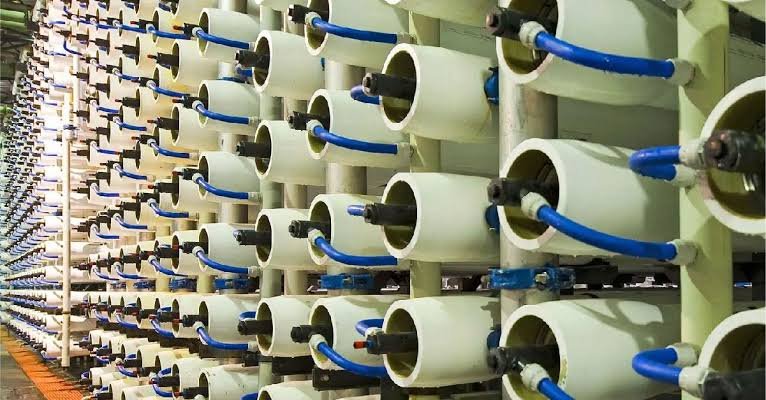
The process uses pressure to push water through a specialized membrane. Semi-permeable membranes allow water to pass while reducing many dissolved substances and contaminants.
RO systems are commonly installed under kitchen sinks and provide treated water through a dedicated faucet. They’re especially useful when homeowners want a higher level of treatment for drinking water.
However, reverse osmosis isn’t a universal solution. It can require more maintenance than a basic carbon filter and may produce wastewater during the treatment process.
Again, the right choice depends on your water and your goals.
Taste Matters More Than People Think
Water quality isn’t only about technical test results.
Taste matters.
If water has a strong chlorine flavor or an unpleasant metallic taste, people may naturally drink less of it. Some homeowners end up buying bottled water instead, even though they already have a tap supplying water throughout the house.
A suitable filtration system can improve taste and odor, making tap water more appealing.
That can have an unexpected benefit: you may simply start using your kitchen tap more often.
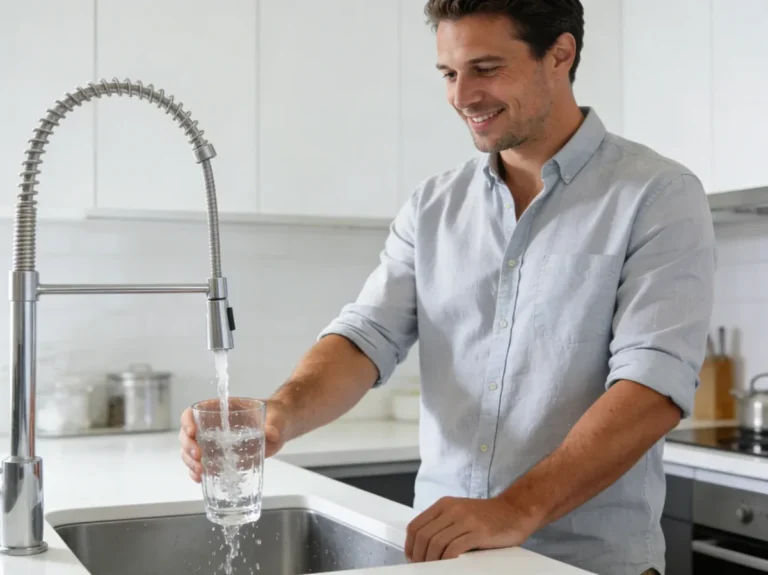
And there’s something satisfying about filling a glass at home rather than lugging heavy bottles from the store.
Whole-House or Under-Sink?
The type of system you choose should also depend on where you want filtration.
An under-sink system focuses on drinking and cooking water. This can be a practical option if your main concern is what comes out of the kitchen faucet.
Whole-house filtration works at the point where water enters the property. It can provide treated water throughout the home, including showers, bathrooms, laundry areas, and appliances.
If your main concern is taste, an under-sink system might be enough. If you’re dealing with widespread sediment or other water-quality concerns, whole-house treatment may be more appropriate.
There’s no need to treat every gallon of water if you only have a drinking-water concern.
Don’t Forget About Filter Replacement
One of the least exciting parts of owning a filtration system is also one of the most important: maintenance.
Filters don’t last forever.
As they collect particles or adsorb contaminants, their effectiveness can decline. Replacement schedules vary depending on the system, water quality, and household usage.
Put reminders on your calendar. Keep replacement cartridges on hand. Follow the manufacturer’s recommendations.
It sounds basic, but regular maintenance can make the difference between a system that works well and one that’s quietly underperforming.
Professional Guidance Can Save Time
Online research is useful, but water treatment can become confusing quickly.
A qualified water professional can test your water, explain the results, and help determine which technology is appropriate. They can also consider factors such as household size, water pressure, flow rate, installation space, and maintenance requirements.
That personalized approach can prevent a common mistake: purchasing equipment based on a generic problem that doesn’t actually match your home.
Choosing With Confidence
A good water filtration system doesn’t need to be complicated. It needs to be appropriate.
Start with testing. Identify the problem. Decide where treatment is needed. Then compare filtration technologies based on what they can realistically accomplish.
Whether you choose a simple carbon filter, a multi-stage system, reverse osmosis, or whole-house treatment, proper installation and maintenance are just as important as the equipment itself.
In the end, the best filtration system is the one that quietly fits into your life. No fuss, no unnecessary complexity — just water that tastes better, works better, and gives you one less household concern to think about.