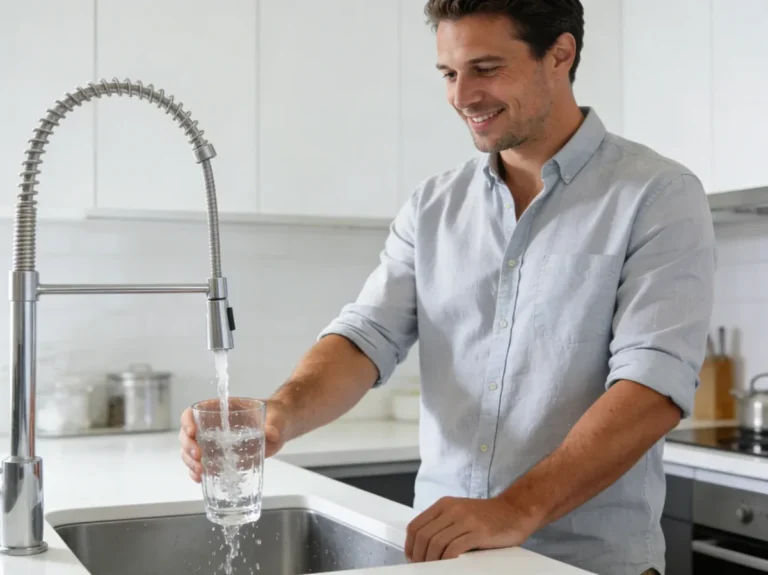
Water is one of those things most of us take for granted. Turn on the tap, fill a glass, and carry on with the day. But clear water isn’t always the same thing as clean water. Depending on where you live, your water may contain minerals, sediment, chemicals, microorganisms, or other substances that affect its taste, smell, appearance, and overall quality.
That’s why understanding water purification matters. It isn’t simply about making water look better. The right approach can help address specific water-quality concerns and make everyday water more pleasant to drink, cook with, and use around the home.
Why Water Quality Can Be Hard to Judge
One of the tricky things about water problems is that they don’t always announce themselves.
Sometimes the signs are obvious. You might notice a metallic taste, cloudy water, an unpleasant odor, or white deposits around faucets and showerheads. Other times, there’s no visible warning at all. Water can look perfectly clear while still containing substances you’d rather not have in your drinking supply.
Your water source plays a big role. Municipal water goes through treatment before reaching homes, but its quality can still be influenced by aging infrastructure and plumbing systems. Private wells have their own challenges, since groundwater chemistry varies significantly from one location to another.
Even within the same community, two homes can experience different water issues. It’s not unusual.
What Water Filtration Actually Does
People often use the terms water purification and water filtration as if they mean exactly the same thing. They’re related, but the technologies involved can work in different ways.
Water filtration generally refers to a process that physically removes or reduces unwanted particles and certain substances from water. Depending on the filter technology, it may target sediment, chlorine, certain chemicals, metals, or other impurities.
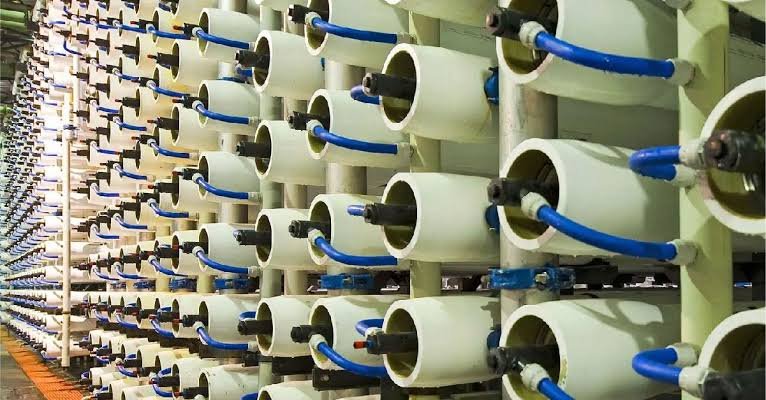
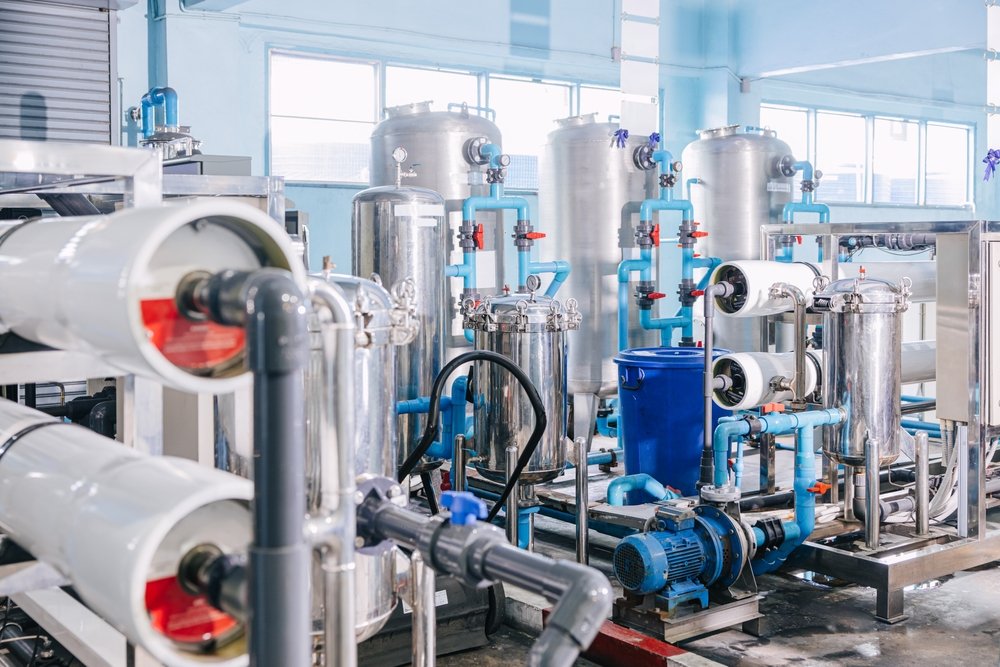
For example, sediment filters are useful for trapping dirt, sand, and rust particles. Activated carbon filters can improve taste and odor while reducing chlorine and certain organic compounds. More advanced systems may use specialized media, membranes, or multiple treatment stages to address several concerns at once.
The important point is that there isn’t one universal filter that solves every water problem. Choosing equipment without knowing what’s actually in your water is a bit like buying glasses without checking your prescription.
The Contaminants You Should Know About
Water quality concerns can range from relatively harmless aesthetic issues to substances that deserve much closer attention.
Common concerns include:
- Sediment and suspended particles
- Chlorine and chlorination byproducts
- Lead and other metals
- Hard-water minerals such as calcium and magnesium
- Nitrates and other naturally occurring substances
- Certain bacteria and microorganisms
- PFAS and related industrial chemicals in some water sources
The word contaminants can sound alarming, but not every substance found in water is automatically dangerous. Some mainly affect taste, odor, plumbing, or household appliances. Others may present more meaningful health concerns depending on their concentration and long-term exposure.
That distinction is important. Good water treatment starts with identifying the problem instead of simply buying the most expensive system available.
Hard Water Is Another Piece of the Puzzle
Hard water deserves a separate mention because it’s incredibly common.
Water becomes hard when it contains elevated levels of minerals, particularly calcium and magnesium. These minerals aren’t usually considered a health problem at typical concentrations, but they can create plenty of household headaches.
Think about the chalky film left on a shower door. Or the crust that develops around a faucet. Maybe your soap never seems to rinse properly, and your skin feels dry after a shower. Inside pipes and water-using appliances, mineral deposits can gradually contribute to scale buildup.
A water softener is designed specifically to address hardness. It works differently from a drinking-water filter, which is why households with hard water may benefit from combining treatment technologies rather than expecting one device to do everything.
Why Testing Your Water Comes First
Before installing a treatment system, testing is one of the smartest steps you can take.
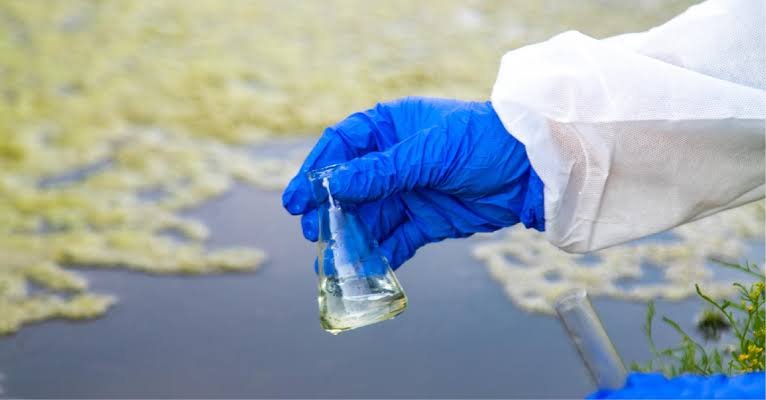
A basic water test can provide useful information about factors such as pH, hardness, chlorine, iron, and other characteristics. Depending on your location and concerns, more detailed testing may be appropriate.
This is especially worthwhile for homes using private wells. Well water can change over time due to seasonal conditions, nearby agricultural activity, groundwater movement, or changes in the well itself.
Testing gives you a starting point. Instead of guessing, you can choose treatment based on actual water chemistry.
And honestly, that can save money. There’s little sense paying for a complicated system designed to remove something your water doesn’t contain in meaningful amounts.
Whole-Home Treatment vs. Drinking-Water Systems
Another decision homeowners face is where treatment should happen.
A point-of-use system treats water at a particular faucet, often the kitchen sink. This can make sense if your primary concern is drinking and cooking water.
A whole-home system, on the other hand, treats water before it reaches different fixtures throughout the house. That may be useful when water-quality issues affect bathing, laundry, appliances, and general household use—not just drinking.
Neither option is automatically better. It depends on your water source, household needs, budget, and the specific issues revealed by testing.
For some homes, a combination works best: whole-house treatment for general water quality, with an additional drinking-water system for more targeted treatment.
Maintenance Matters More Than People Think
Even a high-quality treatment system needs attention.
Filters have limited capacities. Media can become exhausted. Components may need cleaning, replacement, or inspection. Ignoring maintenance can reduce performance and, in some cases, create new problems.
Keep track of filter replacement schedules and follow the manufacturer’s recommendations. If your water suddenly changes in taste, smell, pressure, or appearance, don’t simply assume the system is working normally.
It’s also worth remembering that treatment equipment isn’t a set-it-and-forget-it purchase. A little routine care can keep it performing properly for years.
Better Water Is About More Than a Glass of Water
Clean, reliable water affects surprisingly many parts of daily life. It touches your morning coffee, your cooking, your shower, your laundry, and the appliances quietly working in the background.
The best treatment strategy isn’t necessarily the biggest or most sophisticated one. It’s the one that matches the actual conditions of your water and the needs of your household.
Start with testing. Understand what you’re dealing with. Then choose filtration, softening, disinfection, or another treatment method based on evidence rather than guesswork.
Water may look simple, but its chemistry can be anything but. Once you understand that, improving your home’s water quality becomes a much more straightforward—and worthwhile—job.