Water has a funny way of becoming invisible. We turn on the tap, fill a glass, start the dishwasher, take a shower, water the plants—and rarely stop to think about what’s actually flowing through the pipes. Most of us only notice our water when something feels off. Maybe the coffee tastes a little strange, soap refuses to lather properly, or there’s a faint odor that wasn’t there before.
The truth is, the quality of your water quietly shapes daily life in dozens of ways. It influences the taste of your meals, the lifespan of your appliances, your skin after a shower, and even how much cleaning you end up doing every week. Once you begin paying attention, it’s hard not to notice just how much clean water matters.
Water Quality Starts Long Before the Kitchen Sink
Many homeowners assume that if drinking water looks clear, it’s perfectly fine. Sometimes that’s true. Other times, appearances don’t tell the whole story.
Water travels through treatment facilities, underground pipes, neighborhood infrastructure, and finally into your home’s plumbing. Along the way, minerals, sediments, and other substances can find their way into the supply. Even private wells, often praised for their natural source, can develop quality issues over time due to seasonal changes or surrounding environmental conditions.
That’s why understanding your home’s water isn’t about fear—it’s about awareness. A simple water test often reveals information you couldn’t have guessed just by looking at a glass of water.
Small Problems Tend to Grow Quietly
Hard water stains don’t appear overnight. Neither do mineral deposits inside water heaters or washing machines. These things build up little by little.
At first it’s just a cloudy spot on the faucet. A few months later, the showerhead sprays unevenly. Eventually appliances work harder than they should, consuming more energy while delivering less performance.
It’s surprisingly common for homeowners to replace expensive equipment without realizing that untreated water contributed to the damage. Addressing the root cause often saves far more money than repeatedly fixing the symptoms.
Looking Beyond the Tap
Many people focus entirely on the water they drink, but that’s only one part of the picture.
Think about how often water touches nearly everything inside a home. It runs through laundry machines, dishwashers, coffee makers, refrigerators, ice makers, bathtubs, and every faucet in the house.
That’s one reason homeowners increasingly invest in whole home filtration systems instead of treating only a single faucet. Rather than improving water at one location, these systems help provide cleaner water throughout the entire house, benefiting everything from daily showers to household appliances.
For families planning to stay in their homes for years, that broader approach often makes practical sense.
What’s Really Hiding in Water?
The answer depends entirely on where you live.
Different regions face different challenges. Some deal with excess iron or manganese. Others struggle with chlorine, sediment, sulfur odors, or elevated hardness. In certain areas, naturally occurring minerals are completely harmless but still affect taste and cleaning performance.
More importantly, testing helps identify potential water contaminants before they become larger concerns. Knowing what’s actually present allows homeowners to choose treatment methods based on facts rather than assumptions.
Guesswork rarely solves water problems. Reliable testing does.
Better Water Often Means Less Work
There’s an unexpected benefit people mention after improving their home’s water quality.
Cleaning simply becomes easier.
Soap rinses more effectively. Glassware comes out clearer. Bathroom fixtures require less scrubbing. Towels feel softer, and clothes often keep their color longer because detergent performs more efficiently.
These aren’t dramatic overnight transformations. They’re small improvements that quietly add up week after week.
After a while, many homeowners forget how much extra effort poor water used to require.
Drinking Water Deserves Extra Attention
Even if your household water is generally good, many families still want an additional layer of treatment for cooking and drinking.
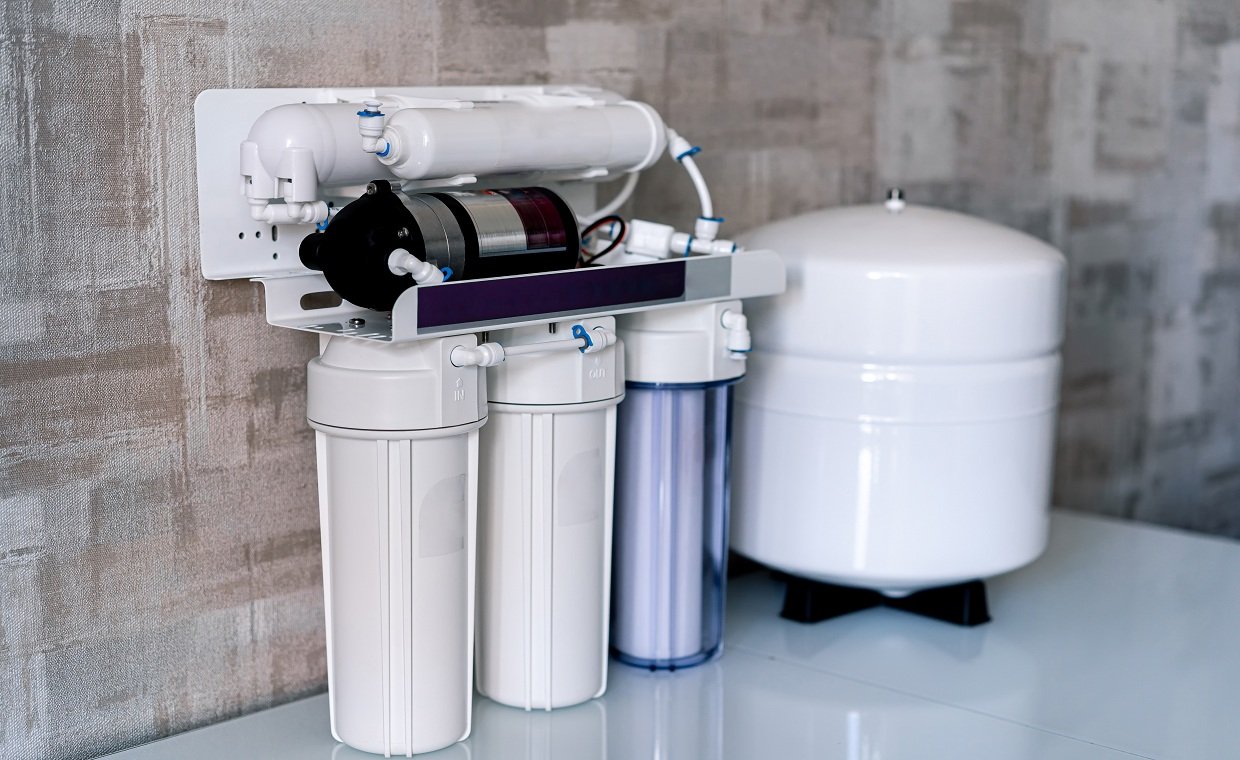
Modern drinking water systems are designed to improve taste while reducing many unwanted substances that affect everyday use. Whether preparing baby formula, brewing tea, filling reusable bottles, or simply enjoying a cold glass of water after a long day, better-tasting water naturally encourages healthier hydration habits.
It’s interesting how something as simple as pleasant-tasting water can make people drink more of it without even thinking about it.
Every Home Is Different
One mistake homeowners often make is copying someone else’s solution.
A neighbor’s water treatment system may work perfectly for their property but accomplish very little for yours. Municipal water differs from private well water. Plumbing materials vary. Family size changes water usage patterns.
That’s why customized recommendations usually outperform one-size-fits-all solutions.
Professionals typically begin with testing, discuss the results in plain language, and recommend equipment only after understanding what actually needs improvement. That process prevents unnecessary spending while ensuring homeowners invest in systems that solve real problems.
Long-Term Value Goes Beyond Convenience
It’s easy to think of water treatment as another household expense, but many homeowners eventually see it differently.
Cleaner water may reduce appliance maintenance, extend plumbing life, minimize mineral buildup, improve energy efficiency, and decrease the need for bottled water purchases. Over several years, those savings can offset a meaningful portion of the initial investment.
There’s also something harder to measure: peace of mind.
Knowing your family has consistent access to cleaner water every day removes a small but persistent uncertainty from daily life.
That confidence is difficult to assign a dollar value to, yet many homeowners say it’s one of the biggest benefits.
A Better Home Often Starts with Better Water
Home improvement projects usually focus on things we can see—fresh paint, new flooring, updated kitchens, beautiful landscaping.
Water doesn’t attract the same attention because it stays hidden behind walls and beneath floors. Yet it’s involved in nearly every routine that makes a house feel comfortable.
Better water supports healthier habits, protects expensive appliances, improves everyday cleaning, and makes ordinary moments—from making morning coffee to taking a relaxing evening shower—a little more enjoyable.
Perhaps that’s why investing in water quality feels less like buying equipment and more like improving the overall experience of living at home.
In the end, clean water isn’t really about technology. It’s about comfort, confidence, and creating a home that quietly works better every single day.