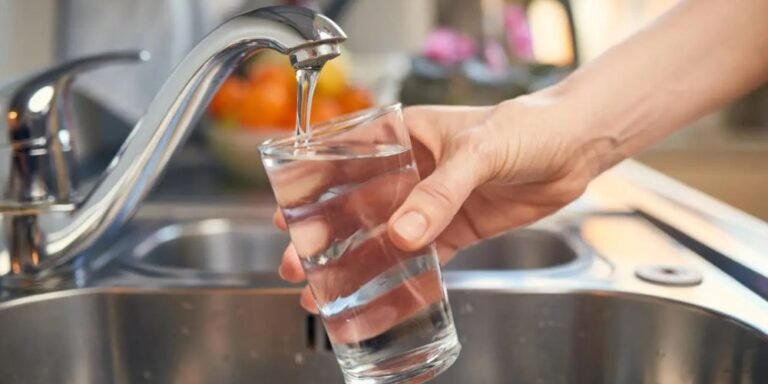
It’s funny how little attention we give water when everything seems normal. We turn on the tap without thinking, fill the kettle, run the dishwasher, water the garden, and head off with our day. Water quietly supports almost every routine in the house, yet it rarely gets much appreciation until something changes.
Maybe you’ve noticed chalky white marks around the faucet that keep coming back no matter how often you clean them. Perhaps your coffee tastes a little different than it used to, or your skin feels dry after every shower. None of these problems seem urgent on their own, but together they often point toward one simple truth—your water deserves a closer look.
Understanding what’s in your water isn’t about worrying over every little detail. It’s about making informed choices that improve comfort, protect your home, and help you get the most from something you use countless times every day.
Every Water Supply Has Its Own Personality
One of the biggest surprises for many homeowners is discovering that water quality isn’t the same everywhere.
Even within the same town, homes can receive water with different characteristics depending on local infrastructure, plumbing materials, groundwater conditions, or naturally occurring minerals. Municipal systems work hard to provide safe water, while private wells reflect the unique geology surrounding each property.
That’s why neighbors sometimes experience completely different concerns despite living only a few streets apart.
The key is understanding your home’s individual water profile rather than assuming someone else’s solution will automatically work for you.
Small Clues Often Tell the Bigger Story
Most household water concerns don’t appear overnight. Instead, they quietly become part of everyday life.
Cloudy drinking glasses, stubborn soap scum, rough-feeling laundry, mineral deposits on shower doors, or dry skin after bathing can all be subtle indicators of changing water conditions.
Many families simply adapt without realizing those inconveniences are often manageable.
Recognizing these everyday signs is the first step toward identifying water quality issues before they lead to larger maintenance concerns or unnecessary appliance wear.
Sometimes paying attention to the small things prevents much bigger problems later.
Minerals Affect More Than You Might Think
Water naturally absorbs minerals as it travels underground before reaching homes. Calcium and magnesium are among the most common, and together they’re responsible for what we call hard water.
Understanding your home’s hardness and mineral levels helps explain why soap sometimes struggles to lather, why appliances lose efficiency over time, and why faucets develop stubborn white buildup.
While these minerals aren’t necessarily harmful, they can gradually create inconvenience throughout the house.
Water heaters become less efficient because scale forms on heating elements. Dishwashers leave cloudy spots behind, and washing machines often require more detergent than expected.
The effects are subtle at first but become increasingly noticeable over the years.
Taste Isn’t Always About Preference
People often assume unusual drinking water flavor is simply a matter of personal preference.
Sometimes that’s true.
However, contaminants affecting taste such as chlorine, sulfur compounds, dissolved minerals, or naturally occurring organic material can influence how water smells and tastes without necessarily making it unsafe.
These same factors can also affect beverages prepared with tap water.
Coffee, tea, soups, and even pasta often taste cleaner when water quality improves because the ingredients themselves are allowed to shine rather than competing with unwanted flavors.
Many homeowners don’t realize how much water contributes to cooking until they experience the difference firsthand.
Better Water Supports Your Entire Home
Water quality isn’t just about drinking water.
Every load of laundry, every shower, every dishwasher cycle, and every appliance connected to your plumbing depends on the same water entering your home.
When that water contains excessive minerals or unwanted sediment, those systems work harder than necessary.
Over time, mineral deposits may reduce appliance efficiency while increasing maintenance needs. Showerheads clog more quickly, faucets require frequent cleaning, and water heaters consume additional energy.
Addressing water quality often helps reduce these everyday frustrations while quietly protecting expensive household equipment.
Testing First Saves Time and Money
When homeowners notice changes in water quality, it’s tempting to purchase filtration equipment immediately.
But choosing treatment without testing is a little like fixing a car before identifying what’s broken.
Professional water testing identifies hardness, pH balance, sediment, chlorine, iron, manganese, sulfur, and other characteristics unique to your water supply.
Armed with accurate information, homeowners can choose equipment designed specifically for their needs rather than relying on guesswork.
That targeted approach usually provides better results while avoiding unnecessary expenses.
The Best Solutions Are Personalized
There isn’t one filtration or treatment system that’s perfect for every household.
Some homes benefit from water softeners. Others need sediment filtration, iron removal, activated carbon systems, reverse osmosis, or combinations of several technologies.
Household size, water usage, plumbing configuration, and local conditions all influence the ideal setup.
Professional recommendations based on actual testing help ensure the chosen equipment addresses real concerns rather than simply offering general improvements.
Customized treatment almost always outperforms generic solutions.
Routine Maintenance Protects Your Investment
Installing quality water treatment equipment isn’t the end of the journey.
Like heating systems or air conditioners, filtration equipment benefits from occasional maintenance.
Replacing filters on schedule, checking system performance, and performing periodic inspections help maintain efficiency while extending equipment lifespan.
Fortunately, these maintenance tasks are usually simple and predictable.
Regular care ensures homeowners continue receiving the same reliable water quality year after year.
Better Water Quietly Improves Everyday Living
One of the most satisfying things about improving water quality is that the benefits rarely feel dramatic.
Instead, they quietly become part of your normal routine.
Showers feel more refreshing. Towels stay softer after washing. Glassware sparkles with less effort, and morning coffee tastes cleaner without changing your favorite beans.
The bathroom requires a little less scrubbing. Appliances work a little more efficiently. Everyday chores simply become easier.
Those improvements may seem small individually, but together they create a home that’s noticeably more comfortable.
Water is something we depend on every single day, often without giving it much thought. Taking the time to understand its unique characteristics, identify potential concerns, and choose treatment based on real information is one of the smartest investments a homeowner can make.
In the end, better water isn’t about chasing perfection. It’s about making ordinary moments—pouring a glass of water, washing dishes, taking a shower, or cooking dinner—feel just a little better every day. Those quiet improvements have a remarkable way of adding up, making your home healthier, more efficient, and more enjoyable for years to come.