Water is one of those things most people rarely think about until something goes wrong. Maybe the shower leaves a chalky film on the glass, the kitchen faucet develops stubborn white stains, or drinking water starts to taste a little different. In a business, the consequences can be even more noticeable, affecting equipment, cleaning routines, product quality, and everyday operations. The good news is that many water-related problems can be managed with the right approach. It starts with understanding what is in the water and choosing a solution that fits the way it is used.
Why Water Quality Deserves More Attention
Water quality isn’t just about whether water looks clear. Minerals, sediment, chlorine, iron, and other substances can influence its taste, smell, and performance. Some issues are mostly inconvenient, such as spots on dishes or soap that refuses to lather properly. Others may need closer investigation, particularly when a private well is involved or when there are concerns about specific contaminants.
A simple water test can provide a useful starting point. Instead of guessing which system might work, homeowners and business operators can use test results to identify the actual problem. That saves time and helps avoid spending money on equipment that doesn’t address the issue.
It’s also worth remembering that water quality can vary by location and source. Two homes on the same street may have different plumbing conditions, while a business using a private well may face challenges that a nearby property connected to municipal water doesn’t experience.
Finding a Solution That Fits Your Home
Every household uses water a little differently. A family with several bathrooms, frequent laundry loads, and high daily water consumption may need a different setup from a small household in an apartment. Water hardness, plumbing configuration, available space, and budget all matter when selecting a treatment system.
Well-designed residential water treatment systems can address specific household concerns, from reducing sediment and unpleasant tastes to managing hard water. The key is choosing equipment based on the water test rather than assuming that one product can solve every problem.
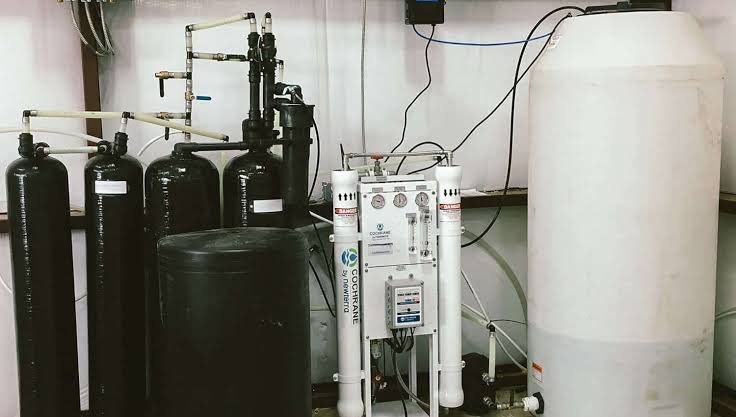
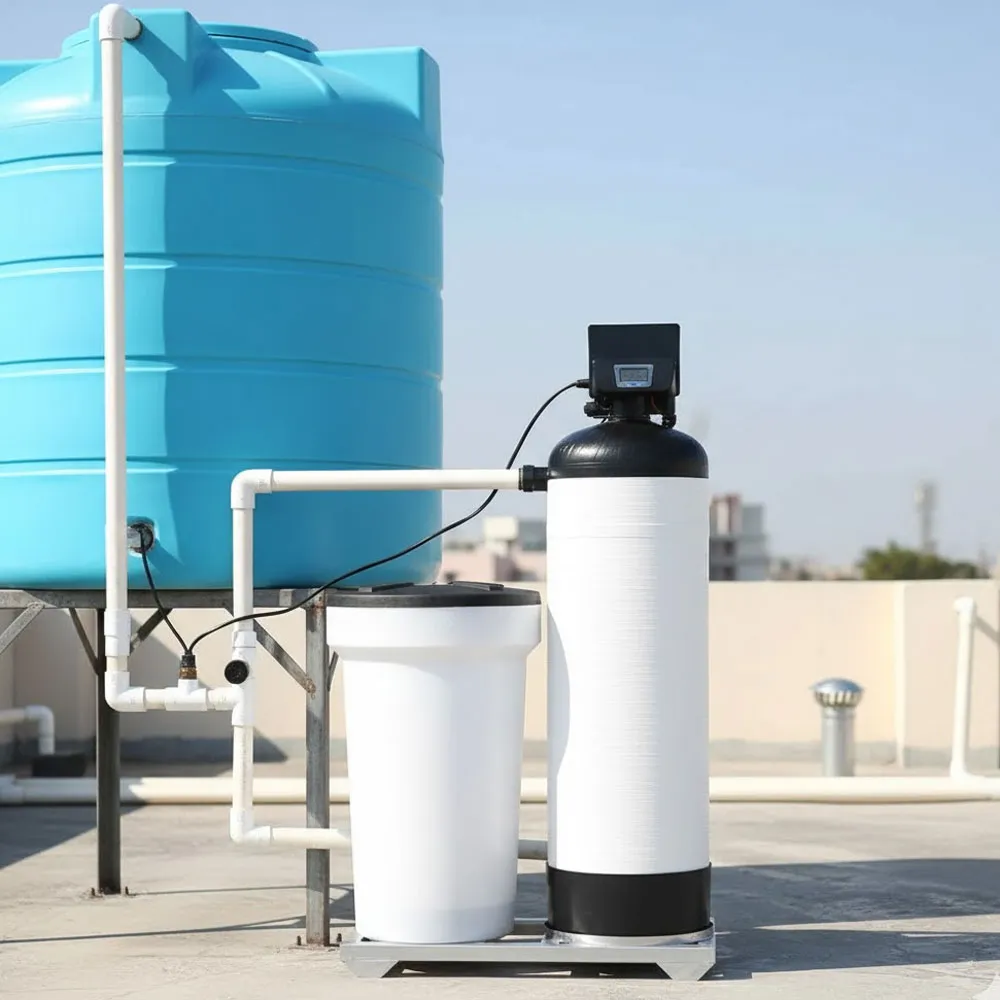
For example, a sediment filter can help capture particles, while an activated carbon filter may improve taste and odor by reducing certain substances. A water softener is designed to reduce hardness minerals, which can contribute to scale buildup on fixtures and inside appliances. Reverse osmosis systems use a membrane to reduce many dissolved substances from drinking water, depending on the system and the contaminants involved.
These technologies aren’t interchangeable. A softener won’t disinfect unsafe water, and a basic carbon filter won’t necessarily remove dissolved minerals. Understanding those differences makes it easier to build a system that performs well without unnecessary extras.
Why Businesses Have Different Water Needs
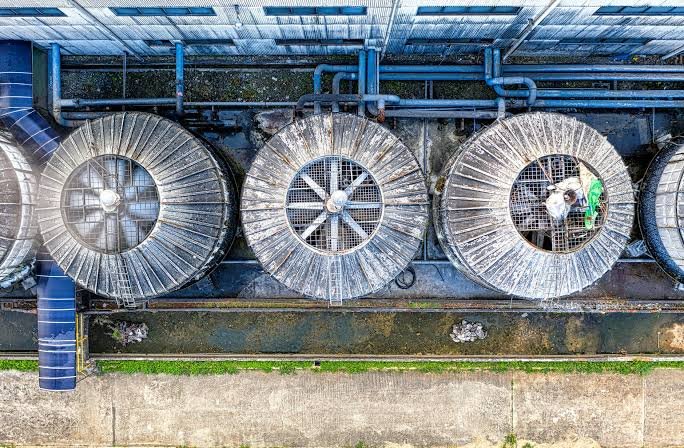
Water can be central to a business’s daily operations, even when customers never see the equipment behind the scenes. Restaurants rely on consistent water for food preparation, dishwashing, and cleaning. Hotels use large quantities for showers, laundry, and housekeeping. Manufacturing facilities may need carefully controlled water quality for particular processes.
In these environments, commercial water treatment systems should be selected according to both water quality and operational demand. A solution that works well for a small office might struggle in a restaurant with constant dishwashing or a facility that operates around the clock.
Scale is a common concern. When hard water passes through heating equipment, minerals can accumulate on internal surfaces. Over time, this buildup may reduce heat-transfer efficiency, increase cleaning requirements, and contribute to equipment problems. Filtration can also be important where sediment affects valves, spray nozzles, or other sensitive components.
Businesses should consider more than the initial purchase price. Installation requirements, water usage, replacement parts, maintenance intervals, and potential downtime all influence the long-term value of a treatment system. A properly sized system may cost more at the outset but can be a better fit for sustained daily use.
The Often-Overlooked Importance of Maintenance
Even a high-quality water treatment system needs attention after installation. Filters collect particles, components wear, and operating conditions change. Without regular checks, performance can gradually decline. Sometimes the change is obvious, such as a return of unpleasant odors. In other cases, the system may simply become less effective without giving a clear warning.
Routine water softener maintenance is especially important in homes and businesses dealing with hard water. Depending on the model and local water conditions, this may involve checking salt levels, keeping the brine tank clean, inspecting connections, and confirming that the regeneration cycle works as intended. Some systems also need periodic professional servicing.
Filter replacement schedules deserve equal attention. A filter that’s overdue for replacement may restrict water flow or stop performing as designed. However, changing every filter on an arbitrary schedule isn’t always necessary either. Follow the manufacturer’s recommendations and consider actual water usage and test results.
Keep a basic service record. It doesn’t have to be complicated; a notebook or digital reminder is enough. Record installation dates, filter changes, service visits, and any unusual changes in water quality. These small details can make troubleshooting much easier later.
Recognizing the Signs of a Water Problem
A few common warning signs deserve attention. White deposits on faucets and showerheads often point to hard water. Orange or reddish staining may indicate iron, though plumbing corrosion and other causes are also possible. A sudden change in taste or smell could come from several sources, so it shouldn’t automatically be blamed on the treatment equipment.
Low water pressure may indicate a clogged filter, but it can also result from plumbing restrictions, leaks, or other issues. Similarly, cloudy water doesn’t always mean contamination; tiny air bubbles can make water appear milky before it clears. If the change persists, investigate rather than relying on appearance alone.
For private wells, regular testing is particularly important because water quality can change over time. Testing should be guided by local recommendations and potential risks, including bacteria and naturally occurring contaminants. If water may be unsafe, use an appropriate alternative source for drinking and cooking while arranging proper testing and advice.
Balancing Cost, Convenience, and Performance
A water treatment system should make everyday life easier, not create a constant stream of unexpected expenses. Before choosing equipment, ask what problem it is meant to solve, how much water it can handle, and what ongoing costs are involved. Replacement filters, salt, electricity, wastewater, and service visits can all affect the total cost of ownership.
Be cautious about products that promise to remove every contaminant without clear evidence. Ask for performance data and check whether the system has been independently certified for the specific reduction claims that matter to you. Certification standards vary, so match the claim to the concern rather than relying on a broad label.
Professional advice can be useful when the water contains several different issues or when a property has complex plumbing. A qualified provider should explain the test results, recommend an appropriate treatment method, and describe what maintenance will be required. You should understand what you’re paying for before making a decision.
A Practical Approach to Better Water
Good water treatment doesn’t have to mean buying the biggest system or installing every available filter. It means understanding your water, identifying the problems that matter, and choosing equipment designed to address them. For households, that may mean tackling hardness or improving drinking water. For businesses, it may involve protecting equipment and maintaining consistent operating conditions.
Testing provides a clearer starting point, while sensible maintenance helps protect the investment over time. And when something changes, investigating early is usually easier than waiting for a small issue to become an expensive repair.
Water is part of nearly every daily routine, from the first cup of coffee in the morning to the final cleanup at night. When it works as it should, people hardly notice it. That’s exactly the point: thoughtful treatment and regular care can help make reliable, good-quality water an ordinary part of life.