Water has a way of becoming part of the background. We turn on the tap, fill a glass, wash the dishes, or start the day’s work without giving it much thought. Then something changes. A white crust appears around the faucet, laundry feels rough after washing, or an unpleasant smell seems to linger no matter how often the sink is cleaned. For businesses, the consequences can be more serious, from equipment maintenance headaches to interruptions in daily operations.
Water quality problems are common, but they don’t all have the same cause. Some come from naturally occurring minerals, while others involve sediment, iron, unusual pH levels, or specific contaminants. The trick is to avoid treating every issue as though it were identical. Understanding the water first makes it much easier to choose a solution that works in the long run.
Recognizing the Signs of Poor Water Quality
Not every water problem announces itself clearly. Hard water, for instance, often leaves chalky deposits on showerheads, kettles, and heating elements. Soap may struggle to produce a rich lather, and glassware can develop cloudy marks even after a thorough wash.
Iron may leave reddish or brown stains on sinks, toilets, and laundry. Sediment can make water appear cloudy or collect inside plumbing fixtures. Certain sulfur compounds can create a rotten-egg odor, while changes in taste may point to minerals, disinfectants, or other characteristics of the supply.
Still, appearances can be misleading. Water that looks perfectly clear may contain substances that cannot be detected by sight, smell, or taste. If there’s a sudden change in water quality, it’s better to investigate than to assume the problem is harmless.
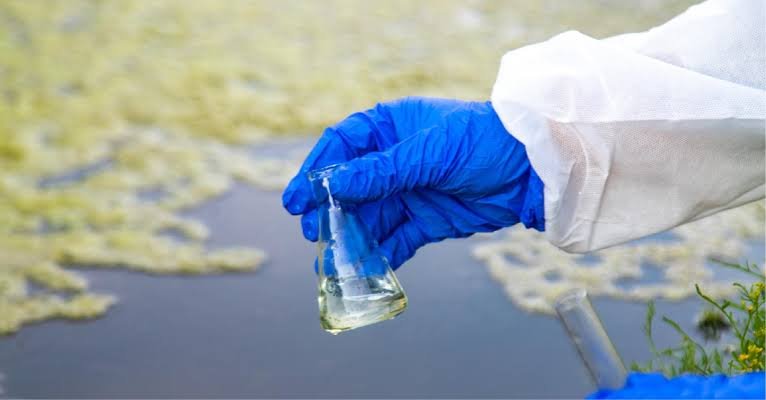
Testing provides a more reliable starting point. Depending on the water source and the concern, testing may cover hardness, pH, iron, dissolved solids, bacteria, or particular contaminants. Private wells should be checked regularly because groundwater conditions can change over time.
Finding the Right Solution for Different Problems
Once the source of a problem is understood, selecting treatment equipment becomes less confusing. A sediment filter can remove suspended particles, but it won’t soften hard water. Activated carbon may improve certain tastes and odors, yet it isn’t a universal solution for dissolved salts or harmful microorganisms.
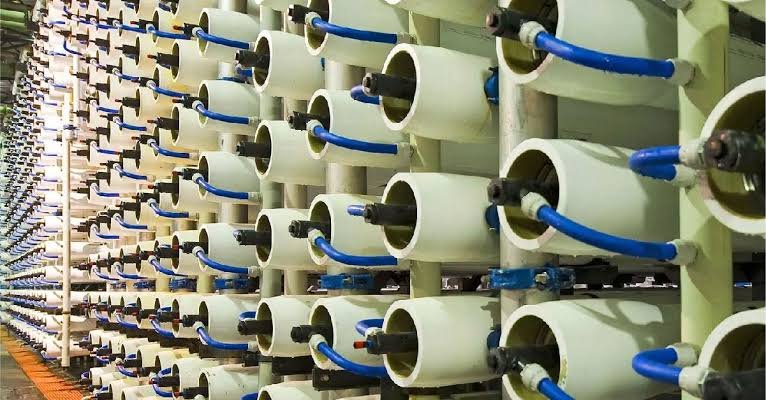
Water softeners are commonly used when calcium and magnesium are responsible for excessive hardness. Conventional ion-exchange systems replace these minerals with sodium or potassium ions, helping reduce scale buildup in plumbing and appliances. For drinking water, reverse osmosis may be suitable when testing identifies dissolved substances that the chosen system is certified to reduce.
The important thing is to match the treatment technology to the actual water conditions. Buying a system because it has impressive specifications or a long list of features doesn’t guarantee that it will solve your particular problem.
Some properties need more than one treatment stage. For example, sediment filtration may protect downstream equipment, while a separate softener addresses hardness. A drinking-water filter can then handle a different concern at the kitchen tap. The combination should be based on test results, not guesswork.
Why Businesses Need a More Careful Approach
Water plays a role in far more commercial settings than people often realize. Restaurants use it for food preparation, washing, and cleaning. Hotels rely on consistent water quality for guest comfort and laundry. Workshops, manufacturing facilities, and other commercial operations may depend on water for cooling, rinsing, processing, or specialized equipment.
In these environments, a recurring water problem can become an operating expense. Scale buildup may increase maintenance needs, clogged lines can disrupt equipment, and inconsistent water quality may interfere with certain processes. Even relatively small issues can become frustrating when they affect multiple workstations or happen during busy hours.
Well-planned business & commercial solutions begin with a clear assessment of water demand, peak usage, source quality, and the needs of the operation. A system suitable for a small office may not be adequate for a restaurant or a production facility. Capacity matters, but so do flow rate, pressure, reliability, and the availability of technical support.
Businesses should also consider what happens when equipment needs servicing. A treatment system that is difficult to maintain can create unnecessary downtime. Before installation, ask about maintenance schedules, expected consumable costs, and how quickly replacement components can be obtained.
Dealing With Water That Is Difficult to Manage
Some water sources have several problems at once. A well might contain high levels of iron and hardness, for example, while another supply may have elevated dissolved solids or an unusual pH. In these situations, a basic filter may improve one aspect of the water while leaving the main concern untouched.
Effective problem water solutions start with identifying the individual issues and understanding how they interact. Iron removal may require specialized media or oxidation and filtration. High hardness may call for softening, while excessive dissolved salts may require a different process. Water with microbiological contamination needs a treatment method designed and verified for that specific risk.
The order of treatment can also matter. Sediment filtration, for example, may be installed ahead of more sensitive equipment to help protect it from particles. Other treatment stages may be needed depending on the chemistry of the source water and the system’s design.
There’s no single unit that can reliably solve every water quality issue. Be wary of sales claims that promise to eliminate all contaminants without providing clear performance data. Ask which substances the equipment is designed to reduce, what testing supports those claims, and whether the system is appropriate for your water conditions.
Choosing Equipment That Fits Your Property
Before purchasing a system, think about how much water you use each day and when demand is highest. A household may have a predictable morning rush, while a commercial kitchen can experience sudden peaks during meal preparation. An undersized system may struggle to keep up, whereas an unnecessarily large unit can increase purchase and operating costs.
Installation requirements deserve attention, too. Available space, plumbing connections, drainage, electricity, and water pressure can all influence the final choice. Reverse osmosis systems, in particular, produce a wastewater stream, so water efficiency may be an important factor.
Ask for a straightforward explanation of the proposed setup. A reputable provider should be able to explain what each component does, why it’s needed, and how its performance will be checked. If the explanation relies mainly on technical jargon or vague promises, take the time to compare alternatives.
Maintenance Is Not an Afterthought
Even good equipment needs routine care. Filters eventually collect particles or reach the end of their useful life. Water softeners may need salt replenishment and periodic checks, while reverse osmosis systems require timely replacement of filters and membranes.
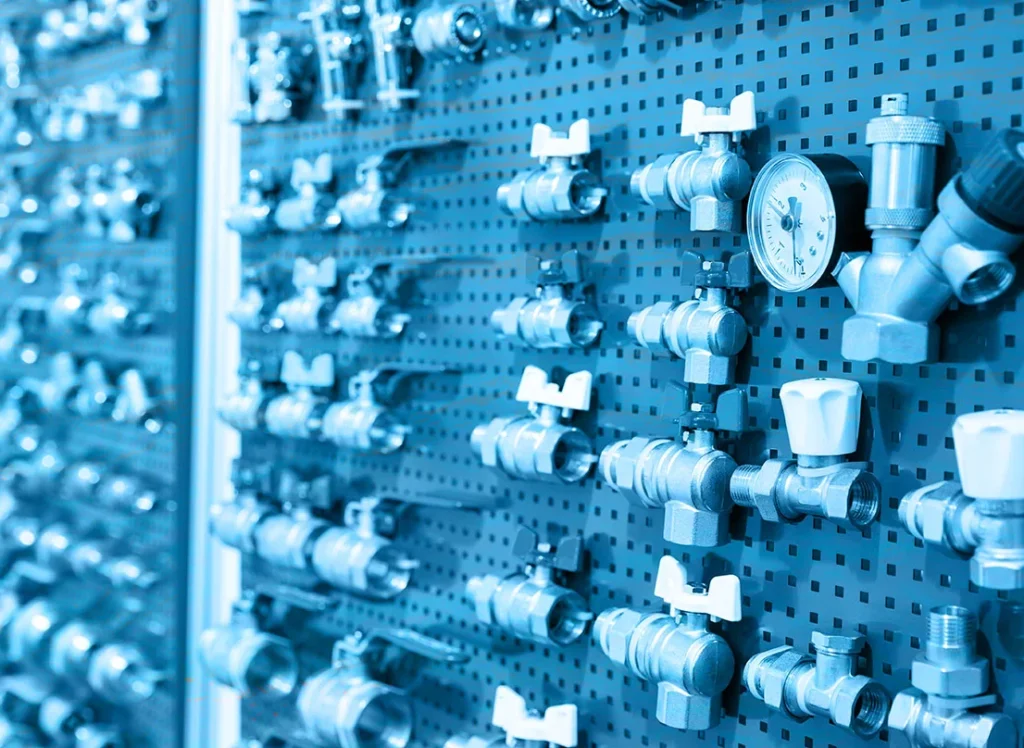
Keeping replacement parts & accessories readily available can make routine maintenance simpler and reduce the risk of unnecessary downtime. Before choosing a system, check whether compatible cartridges, valves, seals, and other service components are easy to source. Follow the manufacturer’s recommendations rather than waiting for water quality or system performance to deteriorate.
It also helps to keep a basic maintenance record. Note filter changes, service visits, and any unusual changes in water quality. For commercial facilities, assigning responsibility for these checks can prevent important tasks from being overlooked during a busy week.
Better Water Starts With Better Information
Water treatment doesn’t need to be complicated, but it does require a thoughtful approach. Start by testing the water, identify the problems that matter most, and choose technology that has verified performance for those specific concerns. Consider operating costs alongside the purchase price, and make sure the equipment can be maintained without unnecessary difficulty.
For homeowners, the result may be fewer mineral deposits and more dependable everyday water use. For businesses, a suitable system can help protect equipment, support consistent operations, and reduce avoidable maintenance problems.
The most effective solution isn’t necessarily the newest or most expensive one. It’s the system that fits the water, the property, and the people who rely on it. With good information and sensible planning, water quality becomes a problem you can manage rather than a recurring source of frustration.