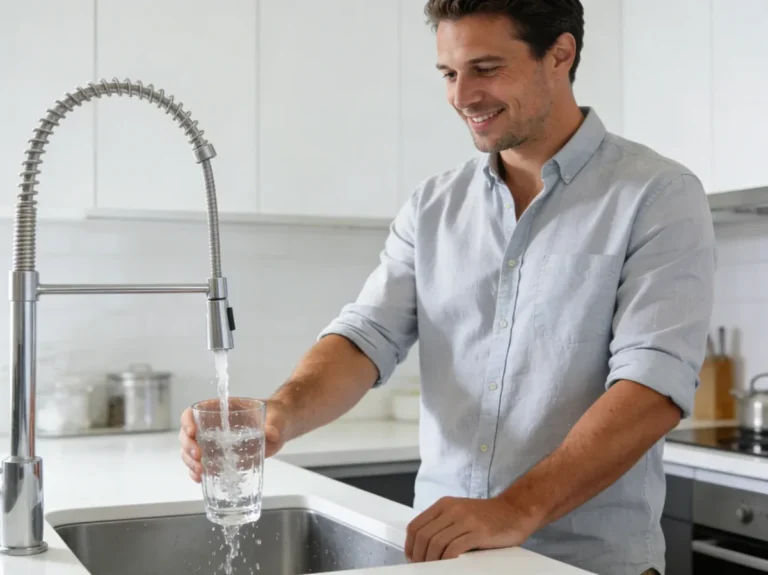
Water is easy to overlook when everything seems normal. You turn on the tap, fill a glass, take a shower, wash the dishes, and carry on. But the moment water starts tasting strange, leaving white marks on the sink, or creating buildup inside an appliance, it becomes obvious just how much we rely on it.
For many homes, improving water quality isn’t about chasing some perfect, futuristic solution. It’s about fixing ordinary problems with the right equipment. A little understanding of filtration, softening, maintenance, and testing can go a long way. And honestly, you don’t need to become a water-treatment expert to make a sensible decision.
Start by Understanding Your Water
Before buying any treatment equipment, take a closer look at the water entering your home. Different sources can have very different characteristics. Municipal supplies, private wells, and other sources may each present their own challenges.
Hard water is one of the most common concerns. Calcium and magnesium can leave scale around faucets, showerheads, and appliances. Other households may notice sediment, unpleasant odors, or a taste they simply don’t enjoy.
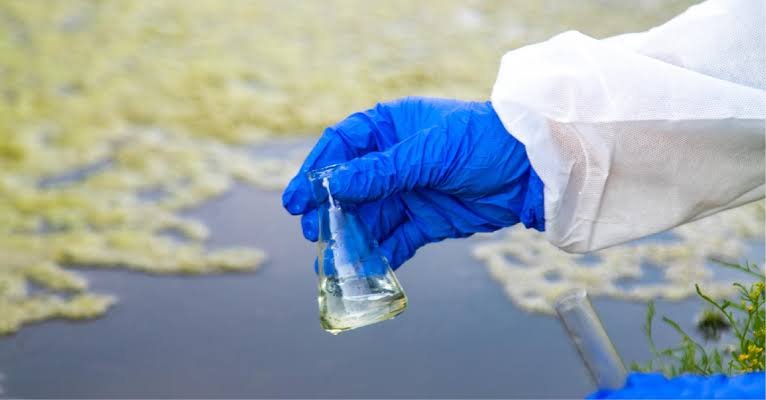
Water testing can help identify what’s actually going on. Rather than guessing and buying equipment based on a friend’s recommendation, you can choose a treatment method that addresses your particular situation.
Understanding Modern Filtration Systems
Not all filters perform the same job. Some are designed to capture sediment, while others are intended to improve taste and odor or reduce particular substances.
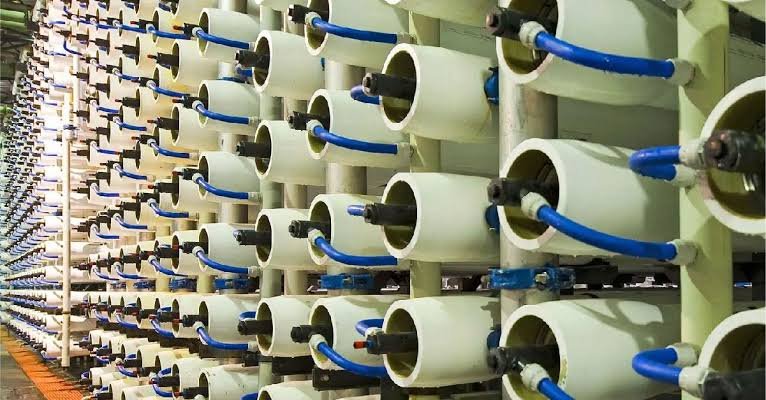
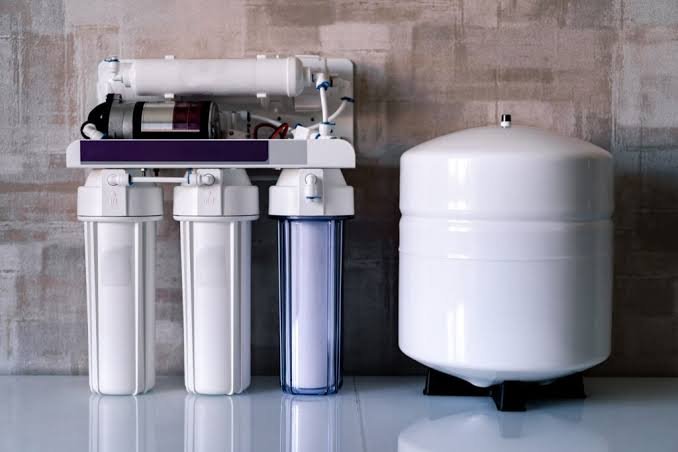
Modern filtration systems can range from simple point-of-use filters to larger whole-home setups. The right choice depends on the quality of your incoming water, how much water your household uses, and what you want the system to accomplish.
For example, if your main concern is drinking water at the kitchen sink, a dedicated filter may be enough. If several areas of the house are affected by a particular water-quality issue, a whole-house approach could make more sense.
The trick is to avoid buying more technology than you actually need.
Hard Water and Everyday Household Problems
Hard water may not seem like a major concern at first. A little scale around the faucet doesn’t sound serious. But over time, mineral buildup can become increasingly annoying.
You might find yourself cleaning showerheads more often, dealing with spots on dishes, or noticing deposits around plumbing fixtures. In some cases, scale can accumulate inside water heaters and other appliances.
A properly selected softening system can help manage these issues by reducing hardness minerals. It may also make soaps and detergents work more effectively, which is one of those small benefits you start appreciating after living with the difference.
Why Salt Delivery Can Be Convenient
Salt-based softeners need salt for their regeneration process, which means someone has to keep the supply stocked. And those bags aren’t exactly fun to carry around.
That’s where salt delivery services can be useful. Instead of remembering to buy heavy bags, load them into your vehicle, and haul them home, you can have the supply delivered according to your needs.
For busy families, older homeowners, offices, and larger properties, this can remove a surprisingly annoying chore from the weekly or monthly routine.
It’s not a glamorous part of water treatment, admittedly. But convenience matters. The best household systems are the ones that fit easily into real life.
Why Testing Before Treatment Makes Sense
It can be tempting to purchase a filter or softener as soon as you notice something unusual. But testing first is usually a smarter approach.
A water test can provide information about hardness, pH, minerals, and other characteristics. Depending on your water source and concerns, more specific testing may also be appropriate.
This is especially important for private wells. Well-water conditions can change, and something that wasn’t a concern several years ago may deserve attention today.
Think of testing as getting a diagnosis before choosing a solution. You wouldn’t replace random car parts without figuring out what’s wrong with the engine. Water treatment deserves the same common-sense approach.
What Does Clean Healthy Water Mean?
The phrase clean healthy water sounds simple, but water quality can involve several different factors. Water that looks clear isn’t necessarily identical in composition to water that has been treated for a specific concern.
The goal should be to understand the characteristics that matter for your intended use. Drinking water may have different treatment requirements than water used for bathing, laundry, cleaning, or irrigation.
This is why treatment should be based on actual needs rather than broad marketing promises. A filter designed for taste improvement isn’t automatically designed to address every contaminant, and a softener isn’t a universal filtration device.
Knowing those differences helps you make better decisions.
Maintenance Is Part of the Investment
A water treatment system isn’t completely maintenance-free. Filters eventually need replacement. Salt-based systems require regular salt replenishment. Some equipment needs periodic cleaning, inspection, or professional service.
Ignoring maintenance can gradually reduce system performance. The frustrating part is that you may not notice immediately. The equipment might still be running while doing its job less effectively.
Keep track of filter replacement dates and service intervals. It takes very little time, and it prevents the classic problem of wondering, months later, when you last changed something.
For complicated or larger systems, professional maintenance may be worthwhile.
Consider the Long-Term Cost
The initial purchase price tells only part of the story. Installation, replacement filters, salt, servicing, electricity, water consumption, and repairs can all affect the real cost over time.
A cheaper system isn’t always the cheapest option in the long run. Likewise, an expensive system isn’t automatically better.
Ask about ongoing costs before making a decision. Find out how often components need replacing and whether replacement parts are readily available. A little financial planning upfront can prevent unpleasant surprises later.
Choosing a Solution That Fits Your Home
There isn’t one perfect water treatment setup for every household. Some people need basic filtration. Others may benefit from softening, drinking-water treatment, or a combination of technologies.
The best approach is fairly straightforward: understand your water, identify the problem, compare suitable treatment options, and consider the ongoing maintenance.
Don’t be afraid to ask questions, either. A reputable professional should be able to explain what a system does in plain language, including its limitations.
At the end of the day, water treatment should make life easier rather than more complicated. When the right system is installed, maintained properly, and matched to your actual water conditions, it can quietly handle an everyday problem in the background.
And that’s really what you want. Turn on the tap, fill your glass, take your shower, and get on with your day—without having to think about what’s happening behind the scenes.